Crema de carabasseta (courgette soup)

The first time we decided to grow courgettes, we planted about 8 little seedlings, then watched in awe as they took over the whole vegetable patch and started sprouting dozens and dozens of courgettes.  I battered courgette flowers, made courgette soups, baked courgette cakes, grilled courgettes, roasted courgettes, spaghettified courgettes, used courgettes on pizzas and still had leftover fruit to give away to friends and family. It was a veritable courgette-fest! However, one can only really enjoy so much of a good thing, and so we have limited ourselves to 2 plants per year since then.
One of Iaia’s favourite courgette dishes – this soup –  is also one of her easiest and most flexible.  I make it here with the basic ingredients but you can add any number of things – almonds, cheese, cream, leek, potato…whatever takes your fancy.  A kilo-and-a-half courgette gives you about 2 litres of soup.  Any monster marrows (above 2kg) should be peeled; their skin becomes pumpkin-like and doesn’t break down in cooking.

What you need:ingedients
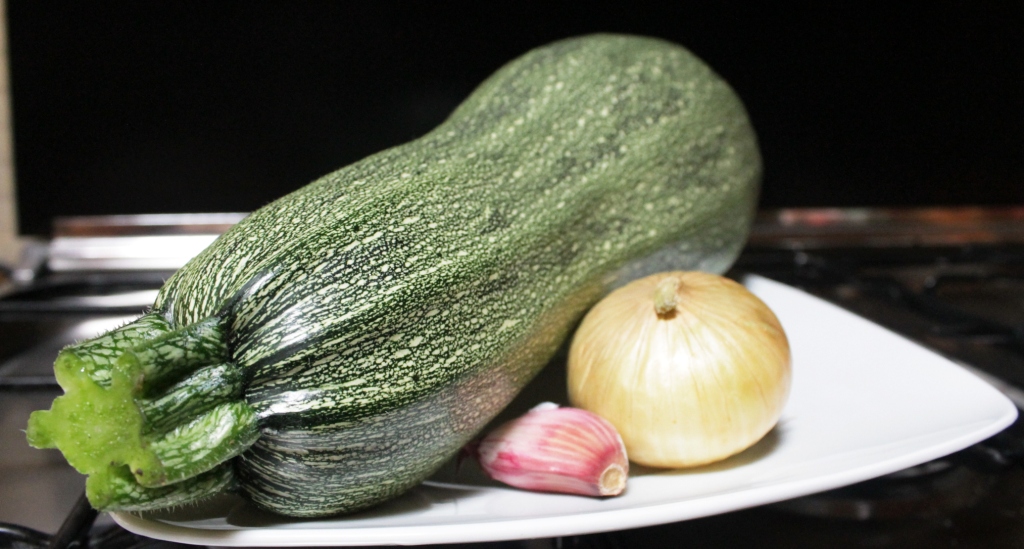
1½ kg courgette(s)
1 onion
1-2 cloves of garlic
olive oil
half a glass of water
salt

What you do:
Put a few tablespoons of olive oil into a processheavy-bottomed saucepan and heat gently. Roughly chop the courgette, onion and garlic, and chuck in the pan. Stir everything so it gets a light coating of oil, and add the water to stop anything from catching.  Salt lightly and cover tightly.  Allow to steam/fry/boil for about half an hour, or until the vegetables are all cooked through.  While still hot, blend (I use a stick blender, but a conventional blender will give you a smoother soup).  You can serve this soup hot or cold – it’s lovely either way!
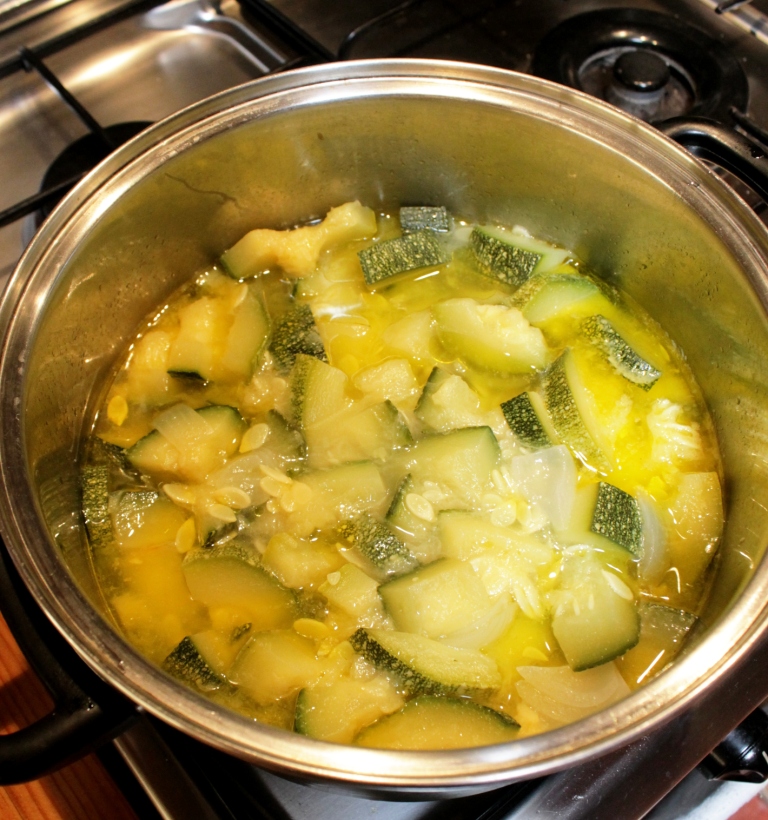
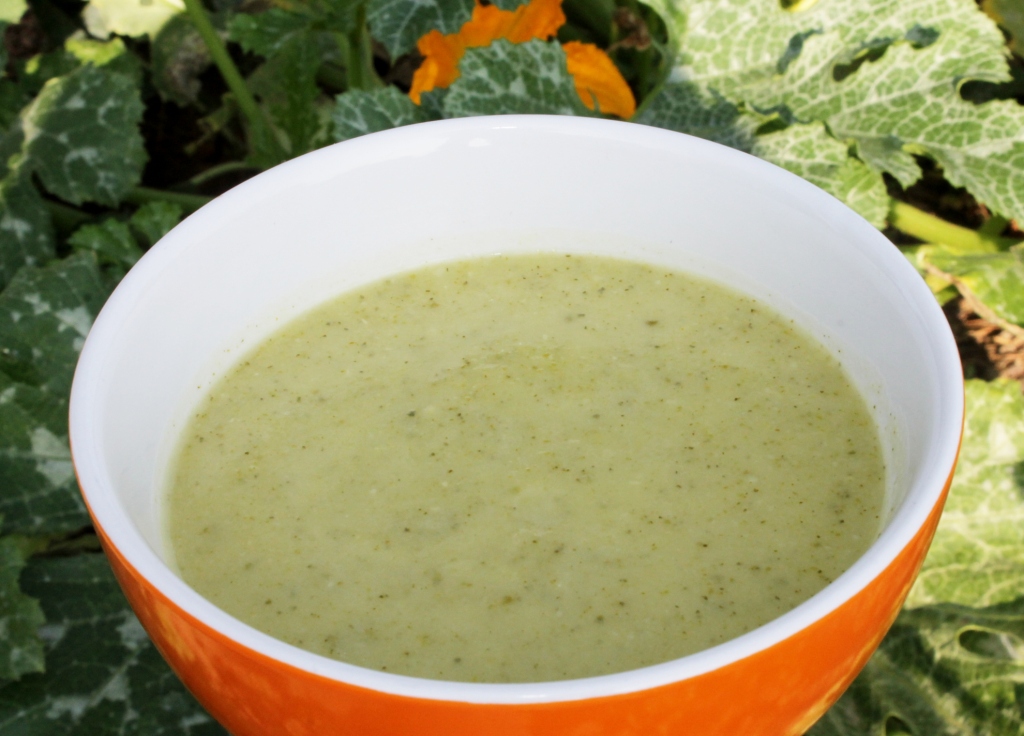
finished

Serve with: bread, cheese, a dollop of cream or sour cream…
Gazpacho andaluz

Summer gluts of tomato mean two things around here – cold Andalusian gazpacho and pots of thick tomato jam.  Today I am making the first of these for our supper.  This is very much a Iaia version rather than a faithful reproduction of the traditional soup – I would love to hear your own recipes, especially if you are reading from down south!
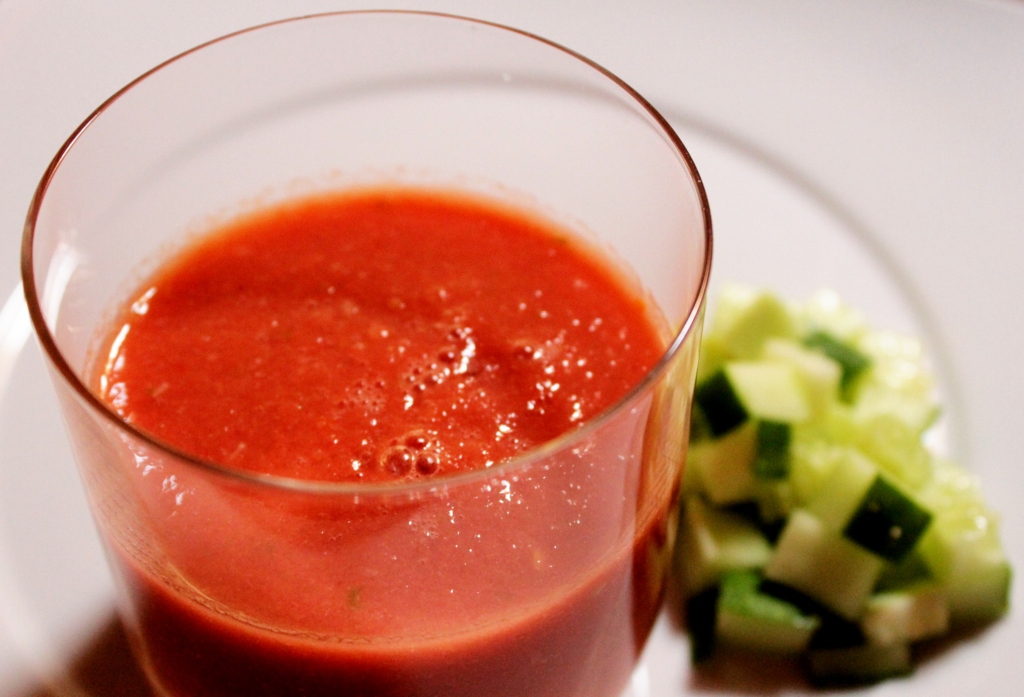
We like to drink our gazpacho from glasses and so add some ice-cold water to get the consistency just right. If, on the other hand, you eat yours from a bowl, it’s usual to add a handful of finely chopped pepper, onion, tomato and/or croutons.  The recipe here gives you about a litre of soup.

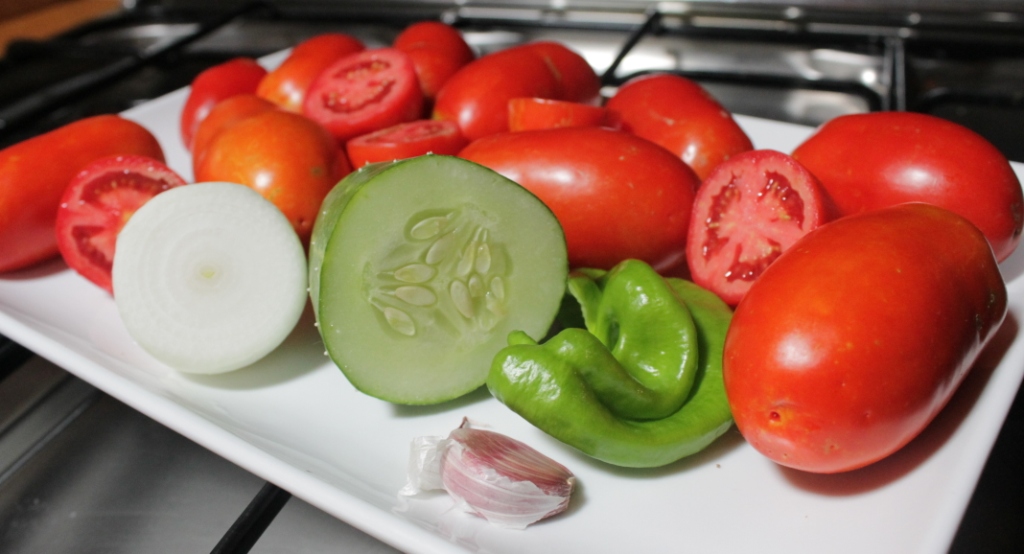
What you need:ingredients
1½ kg ripe plum tomatoes
a chunk of cucumber
a small green or red pepper
half an onion
a clove or two of garlic
olive oil
your favourite vinegar
a pinch of salt
water (optional)

What you do:
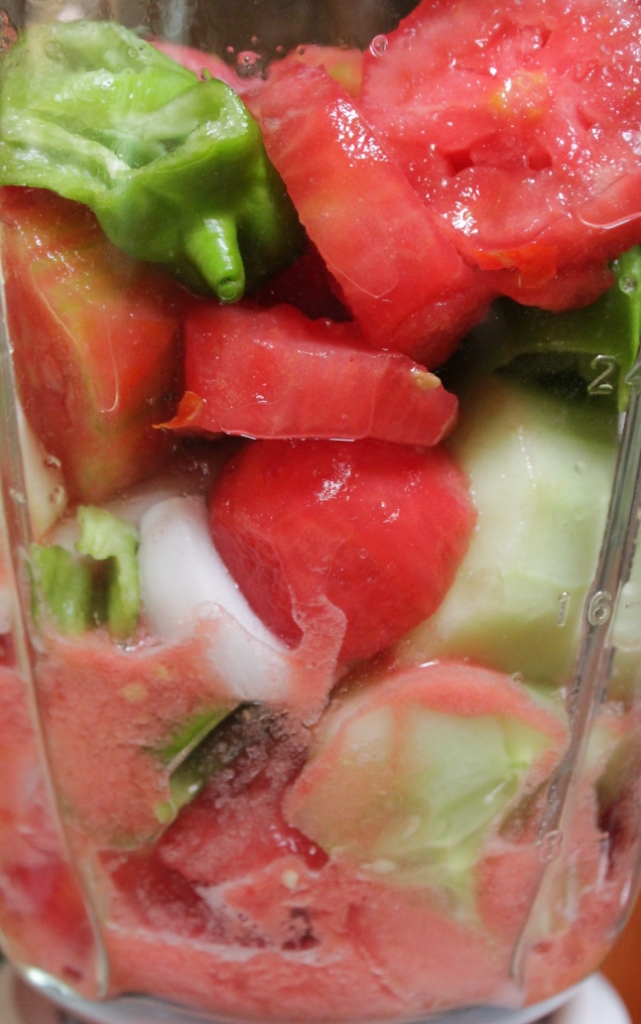
blenderPeel the tomatoes using whichever method you prefer – I use a sharp knife and do away with the whole boiling water palaver. Chop into chunks along with all the other ingredients and toss into a blender. (Note: we also peel the cucumber to save sensitive tummies from indigestion).
Once all the veg is in the blender, pour in a happy glug of olive oil, a generous splash of vinegar and a perfect pinch of salt (all of which you can tweak to taste as you blend), and press the “on” button.  Add water if it seems too thick, more salt if it seems too bland and more oil or vinegar if you think you need either – this is not rocket science.
Refrigerate until ready to serve. Easy? Delicious!

finished

Serve with: croutons, bits of chopped ingredients, and a summer table full of nibbles…
Llescat de pimentons i bacallà (peppers and salt cod)

Summer gardens are full of bell peppers, and there are plenty of dishes to make the most of the glut. This one has semi-dried (or pre-soaked) salt cod in it. If you can’t find any, try it with a tin of tuna instead and add a small pinch of salt (which you absolutely mustn’t add with the cod!)

What you need:ingredients
1 large red pepper
1 large green pepper
a few strips of salt cod
(or a tin of tuna in oil)
a clove or two of garlic
olive oil

What you do:
Get your oven screaming hot (230-240ºC), lightly coat your peppers with olive oil and roast them for about 20 minutes or so until they blister, turning every now and then so they cook evenly.  Take them out and let them cool a bit before peeling the skin off and tearing them into strips.IMG_2848

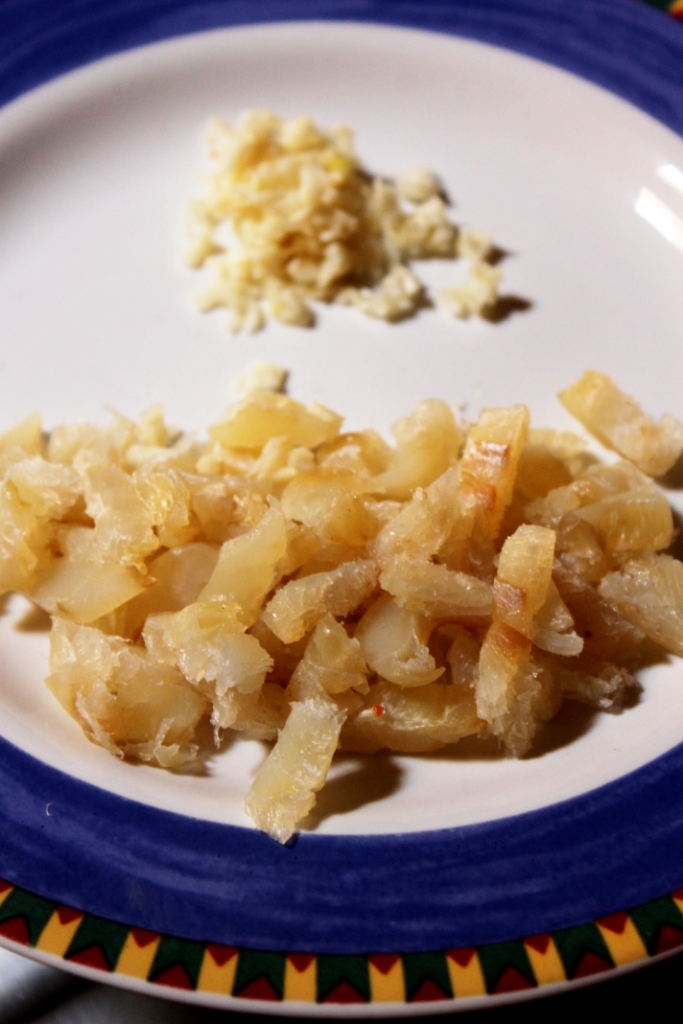
Chop your garlic up very finely and slice the cod into small pieces. Mix into the peppers. IMG_2849

Pour a generous glug of excellent olive oil over everything and set aside for an hour to infuse before dolloping spoonfuls onto pretty plates for a lovely starter.

FINISHED

Serve with: crusty bread and cold beverages of any colour

Beer-battered aubergine

plantOur little vegetable garden is now producing a crop of these beautiful, shiny, purple-black aubergines.
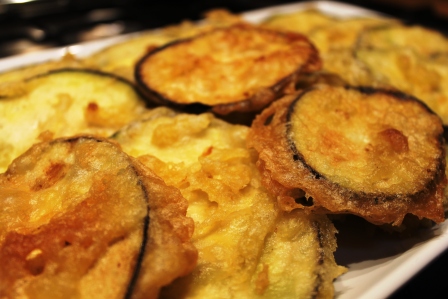
This evening I made one of Iaia’s best summer supper-table dishes, dark-rimmed eggplant slices in crisp beer batter. They’re great hot or cool, and very easy to cook. Two medium-sized aubergines make enough for a platter of about 20 slices.

What you need:ingredients
Aubergine (eggplant)
A glass of very cold beer
Plain flour (or tempura flour if you wish)
Salt
Oil for frying (I use olive for flavour)

What you do:
Slice and salt the aubergines, leaving them to leech out their sliced1excesses for about half an hour. Pat dry and set aside. Pop a couple of centimetres of oil into a wide, deep frying pan and start heating it up so that it is perfectly hot by the time you have battered.

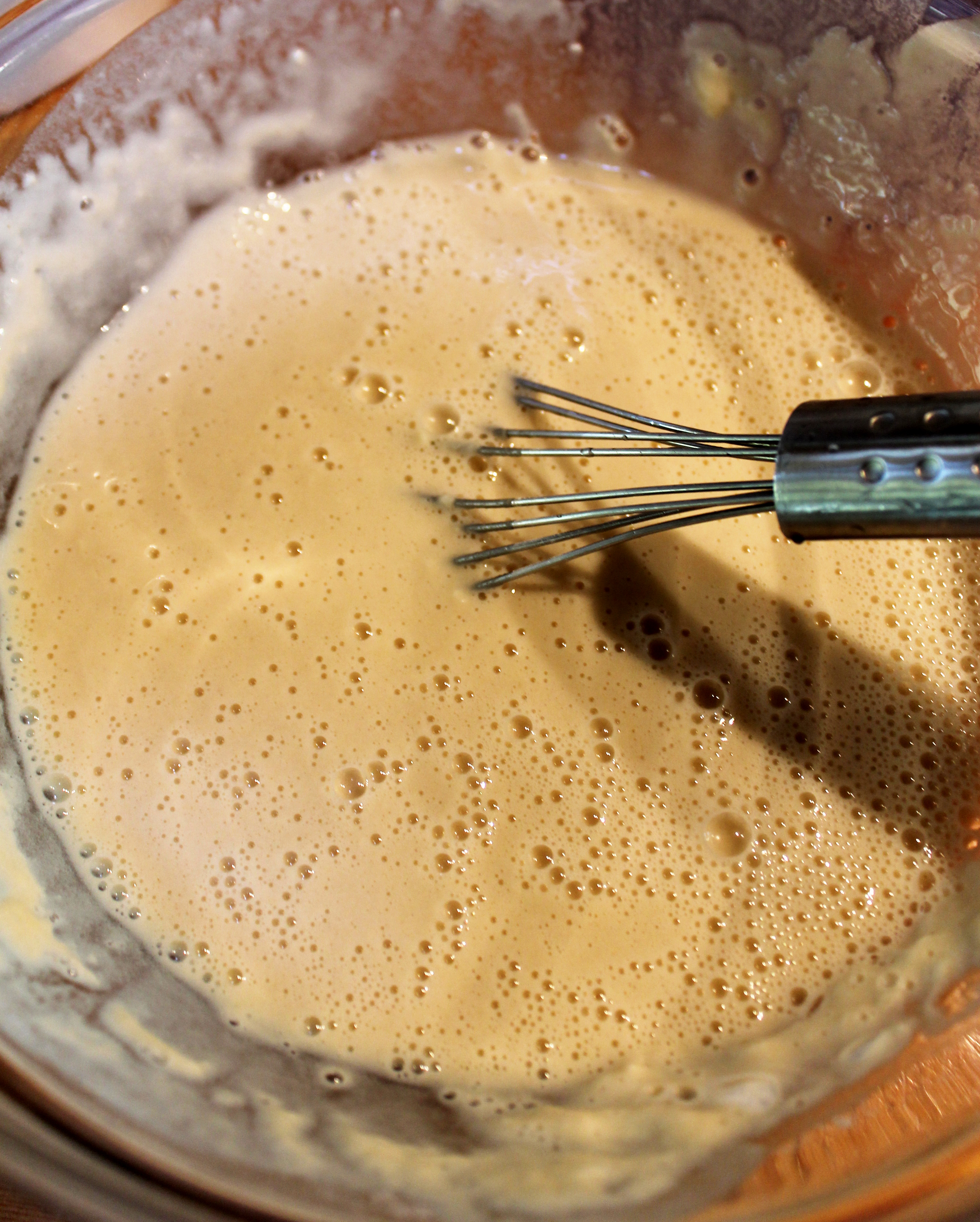
Pour your glass of beer into a bowl and add the flour andbatter a healthy pinch of salt, mixing it all to a gently fizzing, thick, paint-like texture. Make sure you don’t add too much flour at a go, or you will have to add a whole litre of beer, and then there will be a veritable bog of batter left over. Yes. I speak from experience.

Your oil should be pretty warm by cookinnow –
drop a tiny bit of batter in, and if it sizzles satisfactorily, you are ready to go. I use tongs to dip the aubergine slices into the batter and coat them well. Drain off a little mixture before transferring to the hot oil. Cook for two to three minutes, depending on how thickly you sliced the fruit, then flip over with care and give them another minute or two. Remove to a paper-clad plate for draining and continue until all of the eggplant is beautifully battered and fried.

finished

Serve with: Beer and whatever else is on your supper table – ensaladilla rusa, sardines, esgarraet

Ensaladilla Rusa (a not-altogether-Russian potato salad)

About 10 years ago, a Russian girl called Lana came to stay with someone in the family as part of an exchange programme. My mother-in-law proudly served up a huge batch of Russian Salad to make sure Lana felt at home and was amazed when told that it was about as un-Russian as a salad could get! It seems that our Lana had never eaten at the Hermitage in Moscow circa 1860, where apparently this style of salad was first created by head chef Lucien Olivier. Now Ensaladilla Rusa is a canon of Valencian culinary tradition and another one of those staple nibbles that are plonked on the table before, or during a large family gathering.
It is best eaten the day after prepping and should be served quite cold. Nothing beats homemade mayonnaise, so I am including the (very easy) recipe here. The quantities make enough for 8-10 people to have a good serving-spoon full each, with leftovers.
What you need for the salad:ingredients
1 kg old potatoes (old means less water content)
1/4 kg carrots
1/4 kg French beans
4 hard-boiled eggs
2-3 tins of tuna, drained
50-100g of little gherkins
What you need for the mayonnaise:
1 egg
a pinch of salt
sunflower seed oil
a splash of white wine vinegar

What you do:
Peel and chop your potato into large chunks. All the vegetables need to be boiled but not to total softness – Iaia insists that they need to be al dente so that the whole finished salad doesn’t degenerate into mash.  I put the potatoes into cold water, and once it came to a boil, put the egg timer on for 10 minutes with good results.  As soon as the totties are cooked, drain them and spread them out in a wide, shallow dish to cool completely. Now boil your carrots and beans, refreshing the latter with cold water once cooked so that they stay a nice bright green instead of going a grisly grey. Let all the veg cool right down before continuing.
A lot of people chop their potatoes and carrots into pretty dice, but Iaia says it’s easier to roughly mash, so that is what I do.  You do need to chop the beans, gherkins and eggs into little bits. Mix all of the ingredients together, adding salt to taste and then you are ready to make mayonnaise.
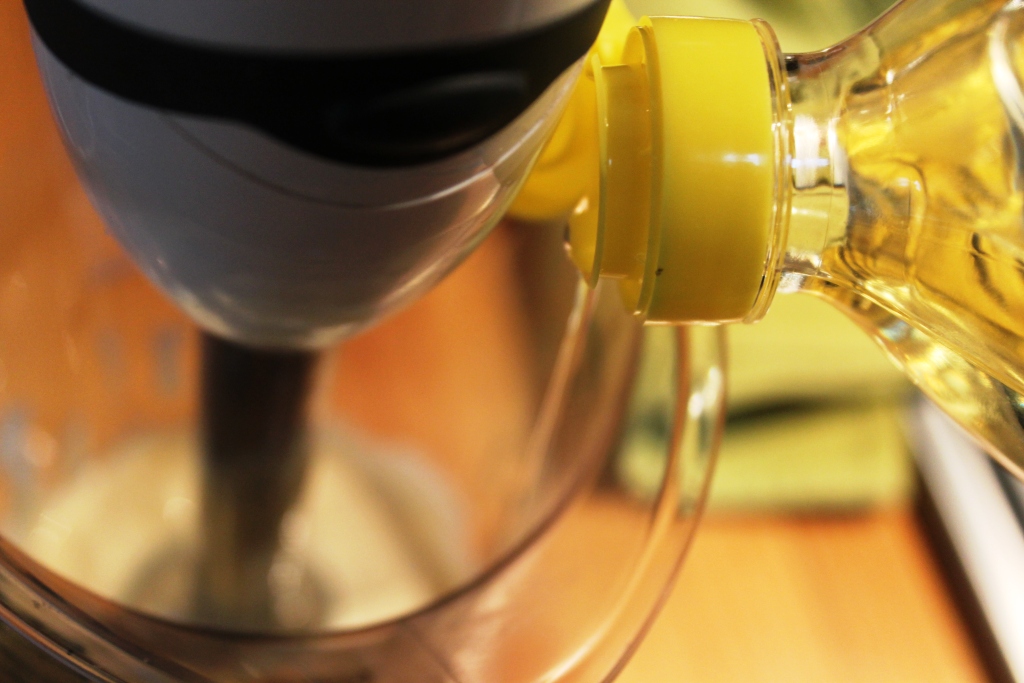
There isn’t any real mystery – you just need a stick blender and a steady hand. Crack the egg into a deep cup, add a pinch of salt and about 1/2 glass of sunflower seed oil (olive is possible, but it makes a very strong-tasting mayo). Start blending, and as soon as you see the mix turning creamy white and thickening, pour a thin, steady stream of oil in as you mix, until you have enough mayonnaise. Add a splash of vinegar to taste at the end, and there it is!mayo
Now you need to spoon your mayonnaise over the salad and mix well until it is evenly gluggy. Iaia uses quite a lot more than I do because I tend to get mayonnaise headaches. Nobody believes me, but it’s true. Pile the salad up into an Uluru shape and spread a thin layer of mayonnaise over the top as if you were icing a cake. Iaia grates a boiled egg yolk over the top to decorate, but I ran out of eggs and so couldn’t. Leave the salad in the fridge until you are ready to eat it. Yum.serving

Serve with: breadsticks

Arròs a banda (fisherman’s rice)

Another rice-based dish for feeding a crowd, this Arròs a banda is my father-in-law’s specialty and he cooked a beauty for us yesterday for the Good Friday family get-together.  There were 16 of us plus Luka, our dog, and not a grain was left over from 2 kilos of rice.

Traditionally this rice was cooked by fishermen who sold off their good stuff but kept some stock-worthy bits for themselves, to be boiled up with rice and scoffed with gusto.

The stock used here was made with about a kilo of morralla which is bits of crab, tiddly little fish, fish heads (the monkfish heads left over from the Caldereta de Rap are particularly prized) and so on. We used just over 5 litres of it for the 2 kg of rice.

Funnily enough, although this rice is cooked in the same type of pan as the Paella, it is never eaten directly from the dish. Apparently, this is because if you leave seafood rice in the caldero it quickly takes on the metallic taste of the pan itself. So once cooked, everything gets piled up in the middle to keep it warm and served onto plates.

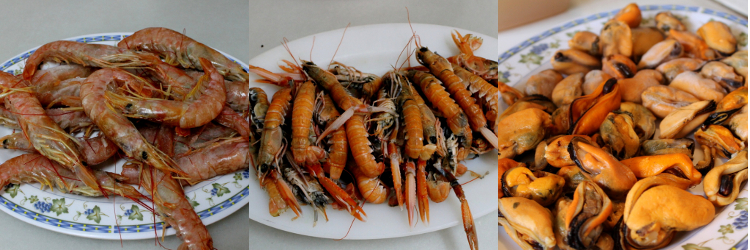
I am not putting quantities of prawns and mussels because you can put as many or as few as you like. I suggest that to avoid arguments, use at least one of everything per person!

What you need:fish
2 kg of (Spanish) rice
5-6 litres of good fish stock
Raw prawns and langoustines
3 cleaned cuttlefish, chopped into small piecesgarliconiontom
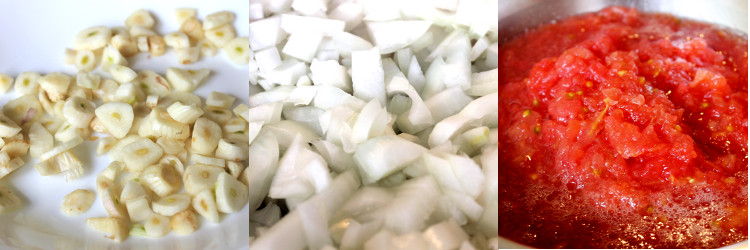
4 onions, finely chopped
1 whole head of garlic, finely sliced
8 pear tomatoes, grated
Mussels (optional)morestuff
Olive oil
Salt
Sweet paprika
Black pepper
Orange food colouring (or saffron)

What you do:cuttlefishandonion
This recipe is very similar to the Fideuà, so if you have cooked that, you will have no trouble with this!  Oreto decided to gently fry 2 of the onions with the cuttlefish before putting it into the main dish – this is unusual, but it does save the crazy, violent, oil-flinging spit that cuttlefish always has as it gets dumped into a hot, open pan.

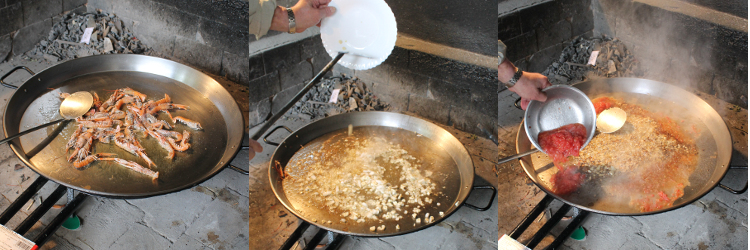
Once that is done, heat your pan and pour a good half litre of oil in to heat up. Eduardo always fries the prawns and langoustines first to flavour the oil. They only need five minutes or so, then you should take them out of the pan and reserve them for later.
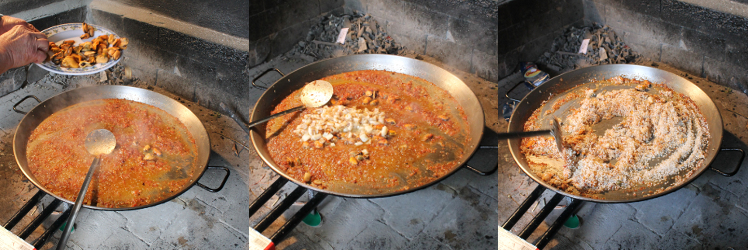
123Onions and garlic get fried next, moving everything about so there is no burning. Once they have softened slightly, pour in the tomato and cook until some of the liquid has evaporated. 456When it looks nicely done, stir in the mussels and the cuttlefish. Then it is time to fry the uncooked rice a little. This coats it with oil and helps stop any clumping. Give it about 5-6 minutes, moving it around constantly, so it doesn’t catch.789Just before you put the stock in, remember to add a good spoonful of sweet paprika to the pan. It is really important not to burn this spice – 30 seconds or so is enough, and then you need to pour your stock straight in.
Check for salt, add the colouring or saffron, give everything a gentle push to evenly distribute the rice and bring to a boil.  When you have a lovely rolling boil going, place the prawns and langoustines on top and stand back.  You may need to add a tiny bit more stock if you see it evaporating faster than the rice is cooking, but other than that, leave it alone.101112Just before the stock has disappeared, get a healthy pinch of ground black pepper and sprinkle generously over the rice.spoonful

Serve with: allioli and bubbles

Coca gallega (Galician-style pizza)

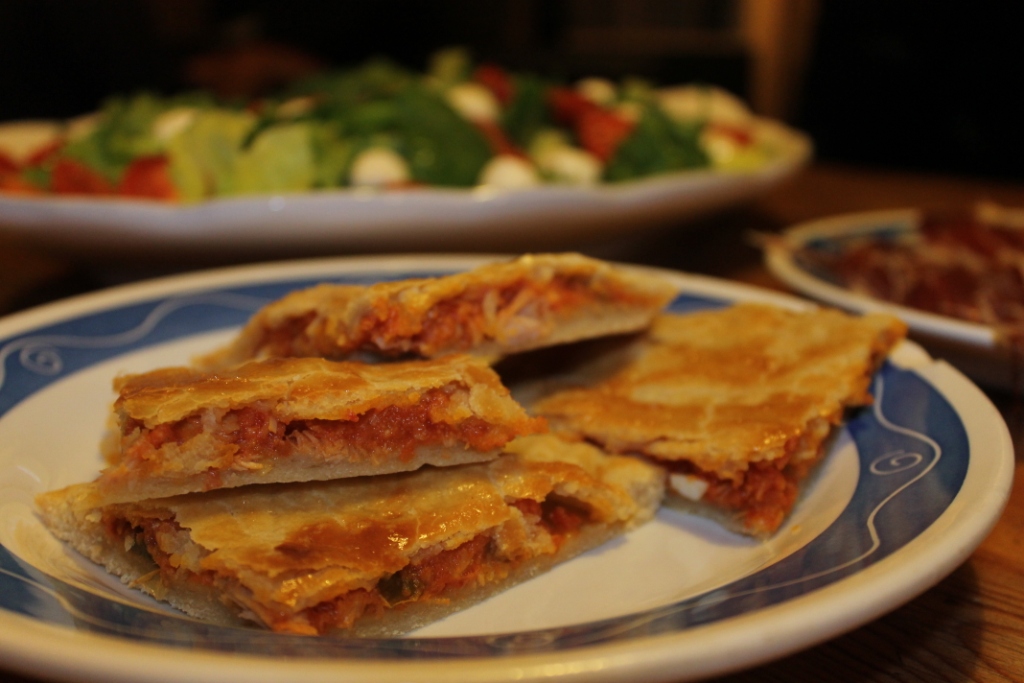
A compulsory part of any major meal here is the picaeta, which is a rough equivalent to “nibbles”.  In our family, one of the most appreciated nibble foods (apart from the ubiquitous home-roasted peanuts, olives and crisps), is Auntie Joaquina’s Coca Gallega, a pizza-like pasty which is cut up into squares and devoured almost as soon as it gets to the table.
This recipe is easy, although you should remember to do the basic tomato mix the day before to ensure that it has the right texture and depth of flavour. Feel free to leave out the tuna if you don’t like it, or don’t want to consume the noble fish, and (speaking from experience) it is no great disaster if you forget to add the pine nuts, although they do provide good little nubby bits to bite.
The most complicated part of the recipe is moving the pastry once you have it rolled out, but a rolling pin and a bit of flour solve things admirably.
This recipe gives you quite a bit of pizza. We had four friends staying over for the Easter weekend, and I served it with a big green salad and a plate of Serrano ham for dinner – there was enough left over for morning tea on Sunday.   It’s perfect for taking along to a buffet-style party or picnic!

What you need for the filling:123
1/3 glass of olive oil456beeroil
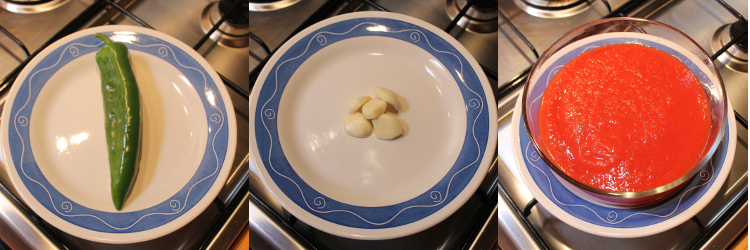
1 kg of tinned tomato
1 green Italian pepper
1½ spoonfuls of sugar
5-6 cloves of garlic
3 tins of tuna in oil
50g of pine nuts
4 boiled eggs
What you need for the pastry:
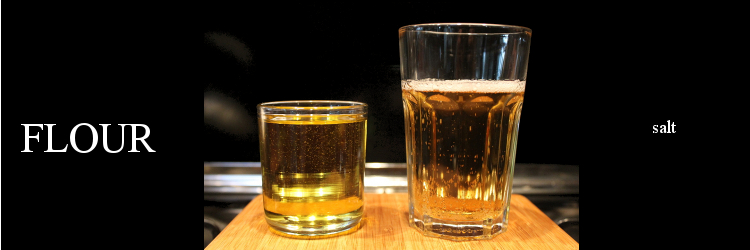
1 glass (200ml) sunflower oil
1½ glasses (300ml) beer
a good pinch of salt
plain flour (as much as the liquid admits)

What you do:
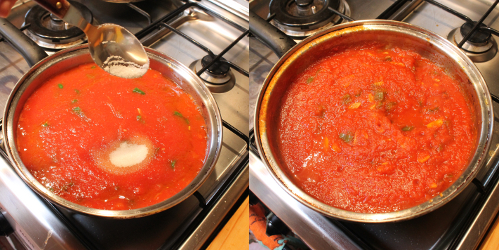
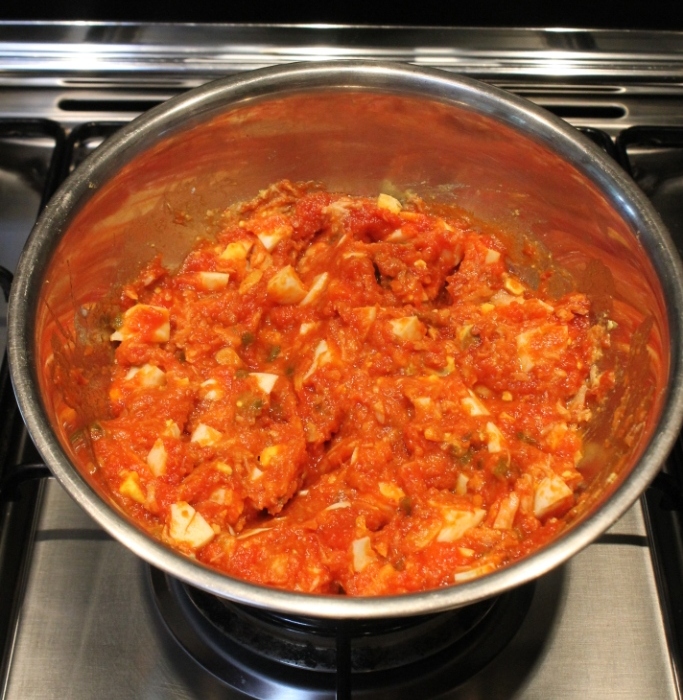
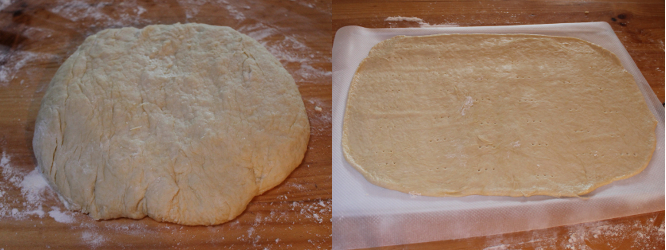
It’s best to prepare the tomato base the day before you want to cook the pizza. Heat the olive oil in a large frying pan and gently cook the garlic without letting it burn. Chop the pepper into small pieces and add to the garlic, frying lightly. If your tinned tomatoes are not already pureed, smoosh them up in the blender until they are smooth, then add to the pan. Chuck in the sugar to reduce the acidity of the tommies. You now need to let as much liquid as possible evaporate, while the tomato fries itself tasty.  It took about ¾ of an hour the other day, on a medium flame and with a piece of foil over the top of the pan to stop tomato splatting all over the place.  Once you think the mixture is dry enough, remove it from the heat and leave it in the fridge until tomorrow. tomatoThe following day, drain the tuna of all oil (or brine), chop the eggs into small chunks and add both, together with the pine nuts, to the now cold tomato. Mix well and taste for seasoning. Set aside while you make the pastry and get the oven warm.IMG_1212Heat your oven to 160ºC, preferably with the heat only coming from the bottom. If you can’t choose, then place the pizza down low in the oven to avoid any burning on top.  Pour the beer and oil into a large mixing bowl and add a pinch of salt. Now add flour bit by bit (about half a glass at a time) and mix in with a metal spoon until a dough begins to form.  You are looking for quite a soft, oily dough but one that doesn’t stick to your fingers. When it’s ready, turn it out onto a floured surface and work it lightly – this isn’t bread, so there is no need to knead for any longer than a couple of minutes.  pastryDivide the dough into two parts, one slightly larger for the bottom layer.  Using a flat oven tray (about 60 x 60) lined with baking paper as your guide, and enough flour to stop things from sticking, roll out the bottom layer until it is about 2-3mm thick. Prick with a fork.  Spread your tomato mix over the pastry, exactly as you would a pizza.  Use it all.
Now roll out your lid; it should be a little thinner than the bottom. Transferring it to the pizza can be tricky, but if you lightly flour the surface of the pastry and your rolling pin, you should be able to carefully roll the flat dough up onto the pin and then unravel it over your tomato.
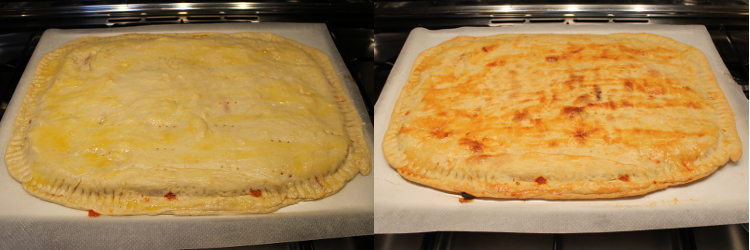
Use a fork to press the edges together and prick the top surface. Brush with a beaten egg and pop it into the oven for about 40 minutes, checking from time to time. UntfinisheditledIf you find the base is cooked, but the top is still very pale, you can switch to the grill only, keeping your eye on the pizza to make sure it doesn’t get frazzled. Allow to cool completely before serving (it’s even better the next day!)serving

Serve with: other nibbles, or a salad and some cured meats for a main meal.

Creïlles amb alls tendres i ou fregit (egg and chips Iaia style)

Egg and chips. Quintessential Shirley-Valentine-English food, right? But wait! Iaia has her own version, which is so highly esteemed, that despite requiring the rapid frying of 30 eggs, it was actually the star of our Christmas Eve family dinner a few years back.

If you can’t find spring garlic, you can always use a couple of normal onions. You will, of course, be cooking a different dish – Patatas a lo Pobre (poor man’s potatoes). They are slightly sweeter than the garlic version but equally delicious.

These tasty totties are not meant to be crunchy, so they can be cooked in advance and reheated while you fry your egg(s) for supper.

What you need for 2:IMG_9888
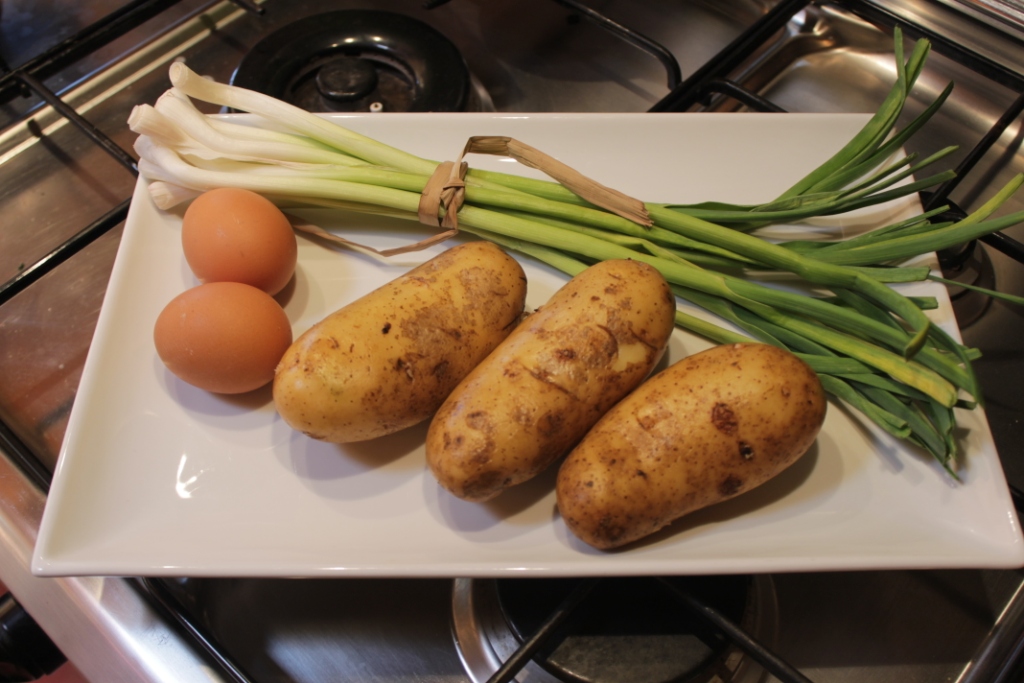
a bunch of ajos tiernos (spring garlic)
(or 2 medium onions)
2-3 well-sized potatoes
salt
olive oil
an egg (or two) a piece
bread

What you do:
Chop the garlic into 2cm lengths and split the thicker white base in half if it is at all bulbous. Separate the thin green stalky bits as you will add them to the pan a little later to avoid burning.
Pour a generous few glugs of good olive oil into a frying pan and heat gently. Add the white stems of the garlic and fry, stirring to avoid sticking and keeping the heat moderate. You want to soften the vegetables but not add any colour.  After about 5 minutes, add the green stalks and a little salt.  Once the garlic has softened, and the oil has absorbed much of its fragrance, remove and set aside, but be sure to leave as much oil as possible in the pan as you do so.
Peel and roughly chop your potatoes into little bite-sized chunks.  Add a little more oil to the pan if you think you will need it, and heat well.  Pop the potatoes in and fry, moving them about to prevent sticking and promote even cooking.  Salt to taste. It will probably take about 10-12 minutes to cook them through. Once they are done, the garlic goes back in, and everything can be given a quick swirl to mix and mingle before taking off the heat.

Now, I assume I don’t need to tell you how to fry an egg, but I will say that frying requires oil. Without the oil, it is just heating, and I don’t know about you, but “here, have a heated egg with your chips” doesn’t appeal to me at all. We always use olive oil. If you want that lovely, brown, lacey edge on your egg, make sure your oil is hot before you crack!IMG_9892

Serve with: a generous sprinkling of black pepper and, as the oil that will inevitably find its way onto your plate has extremely high oop-value, go for a carb-overload with lovely fresh bread.

Potage (thick vegetable and chickpea soup)

One of Iaia’s great winter staples, this thick vegetable soup can take just about anything you throw at it. She often puts small pieces of diced Serrano ham, or whichever vegetable looks good at the greengrocers.  You can use vegetable stock for a vegetarian soup, but I happened to have chicken stock in the freezer so this recipe was made with that.

Chickpeas are somewhat contentious in our household. Oscar loves them but I am a little less enamoured and tend to add far fewer than he would like (occasionally omitting them altogether, by accident, of course). However, they really do make this soup properly filling and really satisfying.  We buy dried chickpeas and soak them overnight in a heap of water before adding them to any slow-cooked stew or soup for a full couple of hours at least. If you are using the canned version, pop them in at the same time as the haricot beans to heat through and absorb some of the flavours. As with most stew-like dishes, this one improves after sitting quietly overnight.

ingredients

What you need for four people:
1 large onion
3 cloves of garlic
2 large (3 small) pear tomatoes
2 carrots
1 stick of cardoon if you can find it
4 medium young artichokes
250g chickpeas (pre-soak if dried)
1 small jar of white haricot beans
600ml or so of good stock
2 hard boiled eggs
salt
olive oil

IMG_9694

What you do:
I prefer to do all the washing, chopping and grating before turning any heat on as it saves me the frustration of watching my base veggies burn because I can’t peel or chop something quickly enough (and yes, I learnt this the hard way). So, finely chop your onion and garlic, then chop the carrot and cardoon into smallish pieces and wash your spinach thoroughly. Now grate the tomatoes, discarding the skin, and last of all, peel the tough outer leaves off the artichokes, slice off the base and the leaf tips so that only tender pale artichoke, which you will cut into eighths, remains.
When everything is ready, put a generous tablespoon of good olive oil into a large, heavy-based saucepan and gently fry the onion and garlic. Once they have softened, add the tomato and stir for a couple of minutes so that it gets a bit of a fry, too – this brings out a deeper flavour than just letting it boil along with everything else.  In go the carrots, cardoon and artichoke with a stir. If you are using pre-soaked chickpeas, pop them in now too.
The amount of stock you use will depend on how large your vegetables are. I used about 600ml for this particular potage. The idea is to just cover everything so that you end up with a really thick broth.  Once you have put the liquid in, you can add some salt to taste and then you have to turn everything down to the lowest heat possible and let it simmer very gently for at least 2 hours. Iaia says, “fes-ho poquet a poquet” which means “do it little by little”.
Towards the end of the cooking time, add the spinach, beans and canned chickpeas, which will be happiest (and tastiest) with about 20 minutes of gentle simmering.  Just before serving, roughly chop your two boiled eggs and let them sink into what should be a very good-looking pan of potage.
Serve with: bread and red

Llentilles de la tia Toni (Auntie Toni’s lentils)

I hated lentils when I was a kid, but that was probably because my experience of them was limited to the goopy, mushy, boarding school variety that came with soggy toast for breakfast.
Years later, here in Valencia, I was served a plate of lentils that had been stewed with chorizo, pork trotter, ribs and root vegetables. It smelt so incredible that I couldn’t resist a taste, and the smoky, porky, gravy-laden little things, which had not (miraculously) turned to sludge, converted me instantly.
This is a far simpler but still absolutely delicious lentil recipe that Iaia’s sister Toni taught me years ago.  It is quick and ridiculously easy – no soaking or sautéing required. Just chuck all the raw ingredients in a saucepan, add water, and simmer for an hour or two.
If you leave out the ham bone, it is perfect for vegans, and of course, you can tweak the spices and/or vegetables to suit your own taste, or to use up anything lurking in your crisper (for us, it was broccoli today). Using vegetable, chicken or beef stock will provide a greater depth of flavour, but water works perfectly well on its own too.

 What you need for two hungry people:ingredients
150g little brown lentils (dry – no need to soak them first)
1 large onion
1 large carrot
1 or 2 cloves of garlic
a piece of Serrano (or other) ham bone
1 pear tomato
sweet paprika
any other spices you’d like to add
salt (remembering that Serrano ham is already pretty salty)
800 ml water (and/or stock if you have some)

What you do:
Finely chop the onion and carrot. Grate the tomato, discard the skins, and microplane or crush the garlic. Put everything into a cold saucepan over medium heat and bring it to a boil, then turn it down and leave it to simmer for a couple of hours. Check the pan from time to time to make sure nothing is sticking to the bottom.

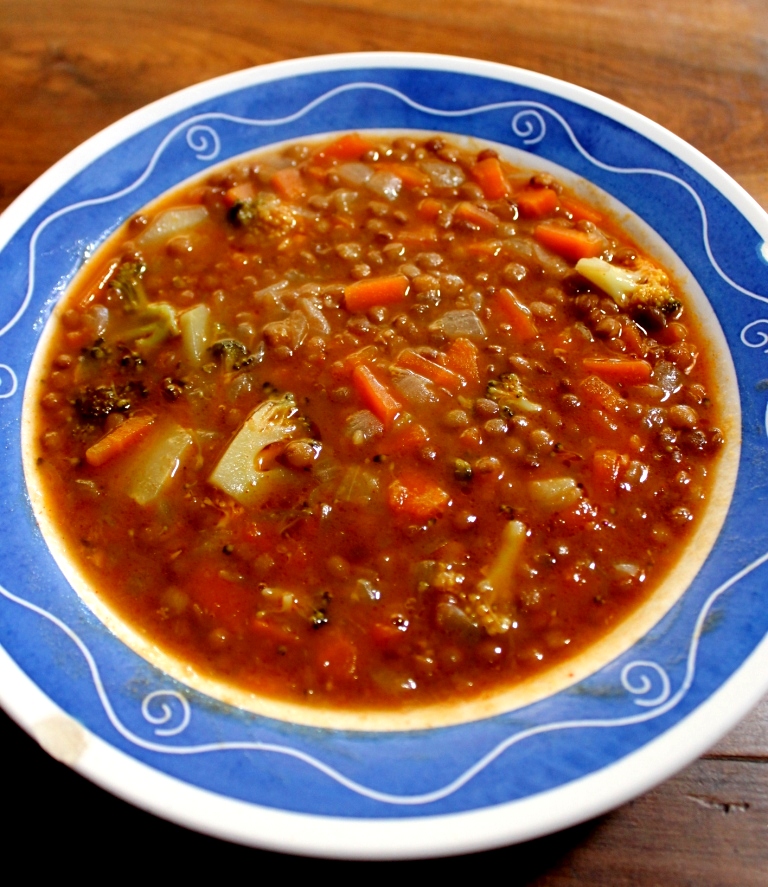
 lentils

Serve with: bread and a red