Sardinà: salt cured fish with peppers, onions and egg

Every year our town has its local “fiesta” at the beginning of September. One of the traditional events is a big sardinà brunch served to whoever turns up by a gang of well-dressed, starboard-leaning ladies.  We prefer to eschew the multitude and have our own small-scale celebration with a few friends instead. This year was a beautiful autumn morning, and Oscar was the most excellent chef.
What you need:ingredients1 salt-cured sardine per person
a few dried “capellà” (trisopterus minutus, or “poor cod”)
1 egg per person
3-4 onions
10-12 Italian peppers (green)
1-2 heads of garlic
oil
grapes and bread to serve

What you do:
First of all, get a fire going and let it reduce it to glowing coals. This is for the poor cod, which needs to be lightly charred just before you serve it.  Prep your veg by cutting the peppers into halves or large chunks, separate the individual cloves of garlic but don’t peel them and roughly chop the onions.
Put a generous slug of oil into a large frying pan (we used a paella pan) and heat. Fry the peppers and garlic until softened and beautifully coloured – this will take a little while, so be patient and keep the beer coming for the cook.cookingTransfer the peppers and garlic to a large serving plate. In the same oil, you are now going to soften the onion. Again, patience and lots of pushing about with the tongs to avoid bitter burning. Once that’s done, you have to lay the sardines in the pan and give them a few minutes on each side.  Put the sardines and onions onto another serving plate and let your oil heat up to egg-frying pitch. I’m pretty sure you will know how to fry an egg, but I will say that here they like to sort of flick the hot oil over the top of the egg instead of flipping it; the white bubbles and gets slightly crusty, and the flavours that have infused the oil do wonders for the humble huevo.
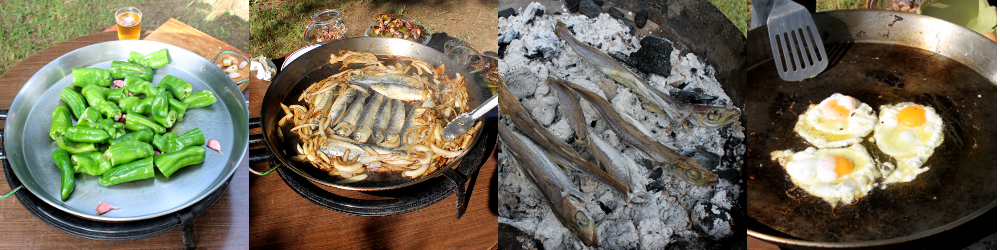
The poor cod should be put on the coals at about the same time as you fry the eggs – it only needs a minute or two on either side. You might need an extra pair of hands to deal with simultaneous frying and charring.servedNow all you need to do is fill a plate with a bit of everything and pour some cold beer!
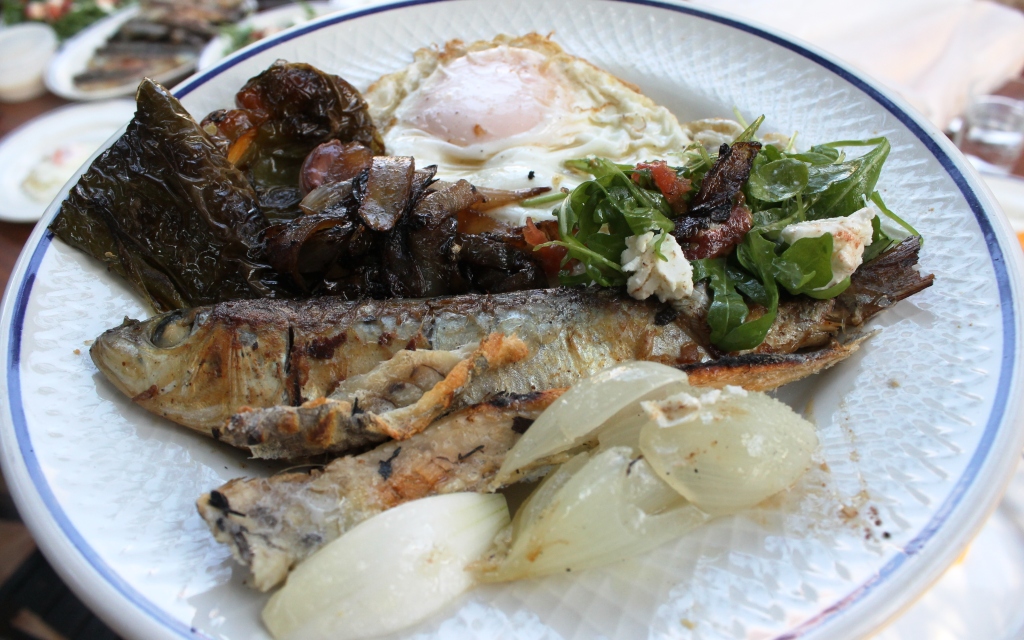
Serve with: grapes (which are at their best in September), bread and beer
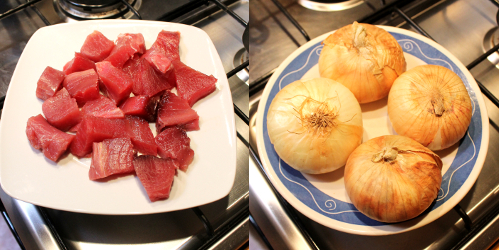
Fresh tuna and sweetly softened onion

A rare and special treat, this tuna dish is one of my absolute favourites.  Buy the freshest, reddest, most beautiful tuna steaks you can find and eat at room temperature or cooler, ooping the oil off the plate with lovely soft fresh bread.  Mmmm.

What you need:ingedients
Finger-thick tuna steaks
seasoned flour
3-4 onions
olive oil

What you do:
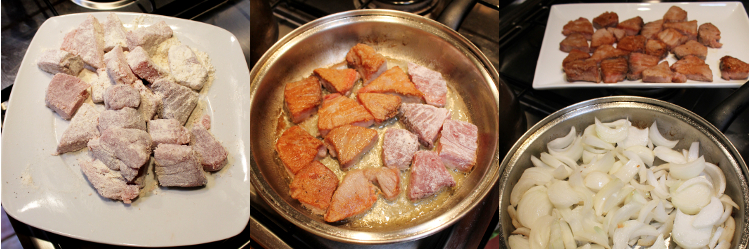
Chop the tuna into large chunks and pop them into a plastic bag with the seasoned flour. Shake things up until the fish is evenly coated. Heat a couple of tablespoons of olive oil in a heavy-bottomed frying pan and brown the floured fish on both sides. Don’t overcook, or it will go dry on you – best to err on the undercooked side.  Take the browned fish out of the pan and set it aside while you deal with the onions. Slice them reasonably finely and fry them gently in the oil you used for the fish (add some if necessary). You don’t want to caramelise them, but you do want them to be cooked through –  Iaia tells me the onion has to be “atabollaeta“, but when I asked her what that meant, she shrugged and said, “you know…done just to the right point”. Hm. Inspection of a dictionary provides “ripe coloured” in reference to fruit, so I suppose in this oniony context, it means soft and gently coloured.  That works for me, anyway!processSo, once the onions are atabollaetes, turn the heat off and send the tuna back into the pan with the onions to mingle for a while. We like this at room temperature, or even cold from the fridge.

IMG_3248Serve with: bread and a chilly white – summer essentials!

Cuttlefish, tomato and “pebrella”

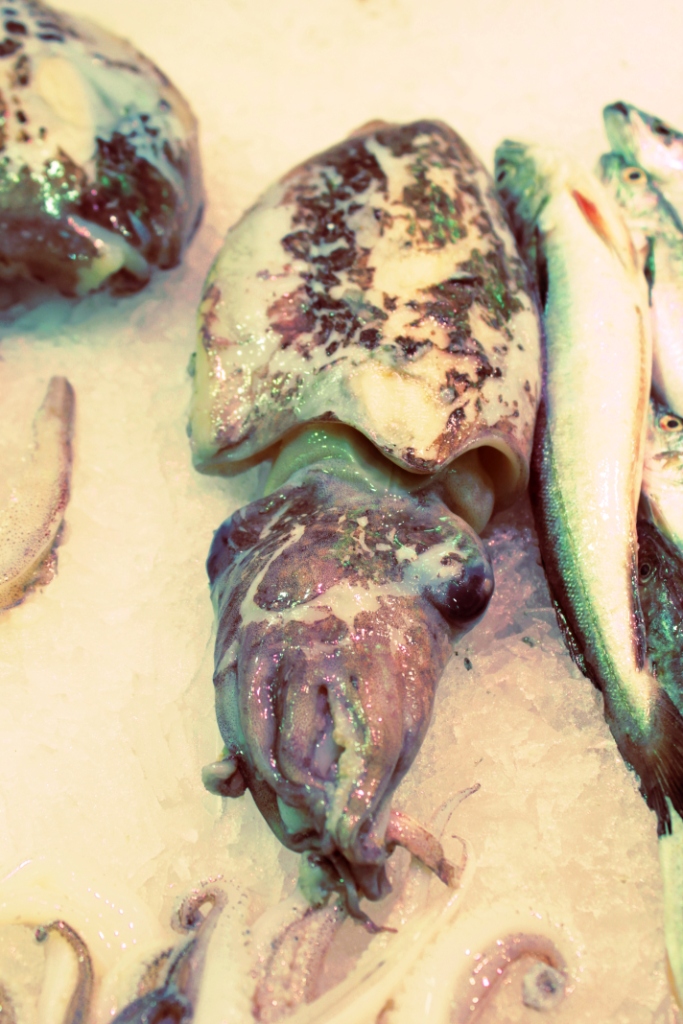
Fresh cuttlefish pre-cleaning

One of Oscar’s favourite mixes for stuffing into a brunch roll or ooping onto great crusty lumps of bread is this cuttlefish, tomato and pebrella mix.  This last is a herb found locally. Its grown-up name is Thymus Piperella, and if you search online, you might find a supplier – it has a really distinctive flavour, and although oregano could be used as an alternative, it hasn’t got the same special kick.
For the fishy part, I dragged Iaia along to the Valencia markets yesterday to help me choose the best critters and then she walked me through the recipe step by step. It’s best to buy fresh (oh-so-ugly) cuttlefish and get your friendly fishmonger to do all the cleaning for you. You will probably still have to cut off the tough wings and pull out a beak or two, but the worst part will have been dealt with by abler hands (than mine, at least). Oh, and stand back when you put the cuttlefish into the pan – it spits!

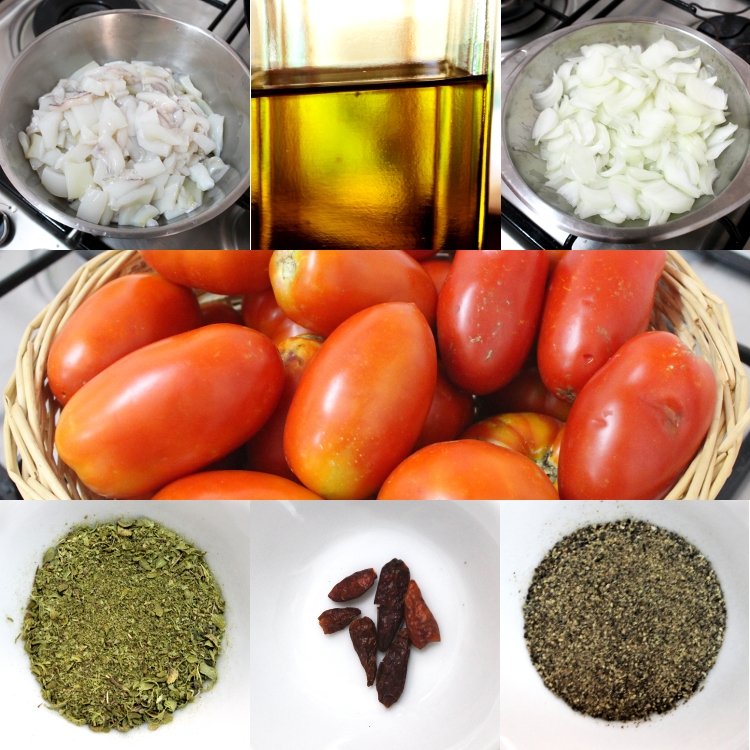
What you need:ingredients
3 medium-sized cuttlefish
a healthy kilo of pear tomatoes
2 onions
olive oil
black pepper
pebrella (thymus piperella)
dried chillies

What you do:
Chop the onions and cuttlefish into smallish pieces. Grate the tomato and put some oil in a deep pan to heat.  The cuttlefish is the first to go in as it takes quite a while to cook.  It spits horribly when it hits the oil, so be really careful!  Let it sizzle gently for about 15 minutes before adding the onion to fry and soften for another 10 minutes or so. processPour in the tomato, add some salt, the herbs and the chillies (Iaia uses a tea strainer to be able to fish them out before it gets too hot) and let everything bubble away quietly for about an hour, or until you see the tomato losing most of its wateriness and becoming thick – like a really great pasta sauce. Remember to test for flavour and remove the chillies when you notice a bit of heat.

Take off the heat and allow it to cool completely before serving. We like to leave it overnight and put spoonfuls into a crusty roll for brunch.

finishedServe with: Cold white wine and lots of bread.

Arròs a banda (fisherman’s rice)

Another rice-based dish for feeding a crowd, this Arròs a banda is my father-in-law’s specialty and he cooked a beauty for us yesterday for the Good Friday family get-together.  There were 16 of us plus Luka, our dog, and not a grain was left over from 2 kilos of rice.

Traditionally this rice was cooked by fishermen who sold off their good stuff but kept some stock-worthy bits for themselves, to be boiled up with rice and scoffed with gusto.

The stock used here was made with about a kilo of morralla which is bits of crab, tiddly little fish, fish heads (the monkfish heads left over from the Caldereta de Rap are particularly prized) and so on. We used just over 5 litres of it for the 2 kg of rice.

Funnily enough, although this rice is cooked in the same type of pan as the Paella, it is never eaten directly from the dish. Apparently, this is because if you leave seafood rice in the caldero it quickly takes on the metallic taste of the pan itself. So once cooked, everything gets piled up in the middle to keep it warm and served onto plates.

I am not putting quantities of prawns and mussels because you can put as many or as few as you like. I suggest that to avoid arguments, use at least one of everything per person!

What you need:fish
2 kg of (Spanish) rice
5-6 litres of good fish stock
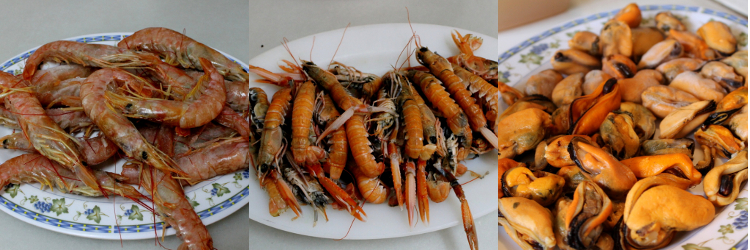
Raw prawns and langoustines
3 cleaned cuttlefish, chopped into small piecesgarliconiontom
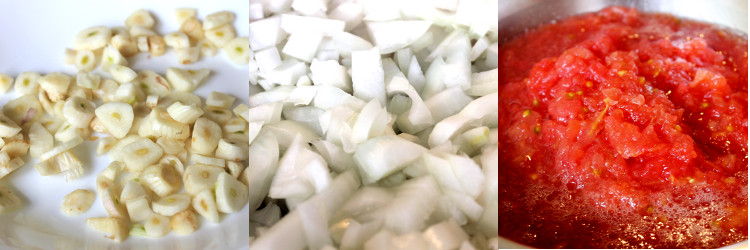
4 onions, finely chopped
1 whole head of garlic, finely sliced
8 pear tomatoes, grated
Mussels (optional)morestuff
Olive oil
Salt
Sweet paprika
Black pepper
Orange food colouring (or saffron)

What you do:cuttlefishandonion
This recipe is very similar to the Fideuà, so if you have cooked that, you will have no trouble with this!  Oreto decided to gently fry 2 of the onions with the cuttlefish before putting it into the main dish – this is unusual, but it does save the crazy, violent, oil-flinging spit that cuttlefish always has as it gets dumped into a hot, open pan.

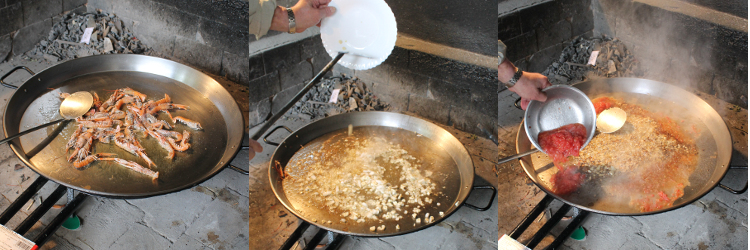
Once that is done, heat your pan and pour a good half litre of oil in to heat up. Eduardo always fries the prawns and langoustines first to flavour the oil. They only need five minutes or so, then you should take them out of the pan and reserve them for later.
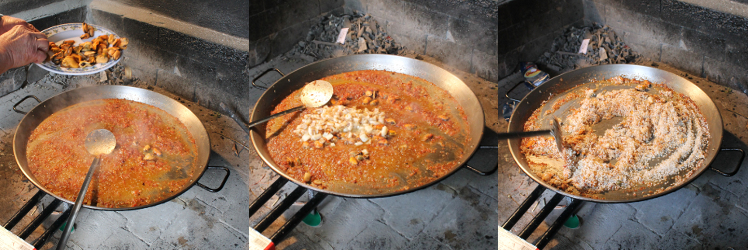
123Onions and garlic get fried next, moving everything about so there is no burning. Once they have softened slightly, pour in the tomato and cook until some of the liquid has evaporated. 456When it looks nicely done, stir in the mussels and the cuttlefish. Then it is time to fry the uncooked rice a little. This coats it with oil and helps stop any clumping. Give it about 5-6 minutes, moving it around constantly, so it doesn’t catch.789Just before you put the stock in, remember to add a good spoonful of sweet paprika to the pan. It is really important not to burn this spice – 30 seconds or so is enough, and then you need to pour your stock straight in.
Check for salt, add the colouring or saffron, give everything a gentle push to evenly distribute the rice and bring to a boil.  When you have a lovely rolling boil going, place the prawns and langoustines on top and stand back.  You may need to add a tiny bit more stock if you see it evaporating faster than the rice is cooking, but other than that, leave it alone.101112Just before the stock has disappeared, get a healthy pinch of ground black pepper and sprinkle generously over the rice.spoonful

Serve with: allioli and bubbles

Caldereta de rap (monkfish stew)

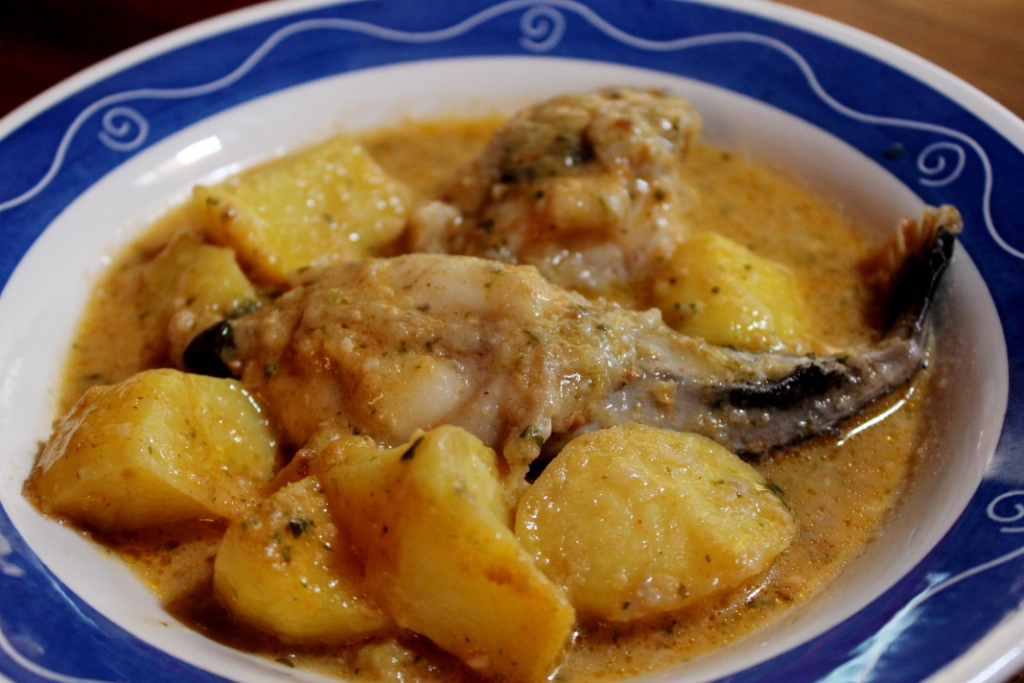
This is one of Iaia’s signature dishes.  She tends to cook it for us on birthdays and we all love it, especially the thick sauce, which can be either scooped up with fresh bread or spooned up after mashing it into the potato chunks.

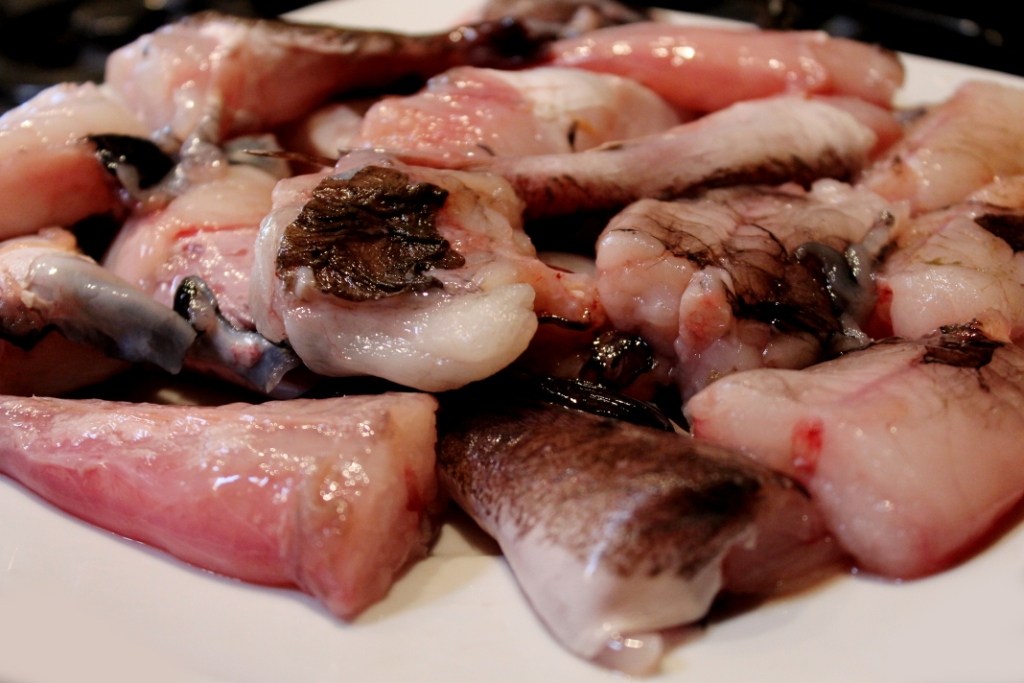
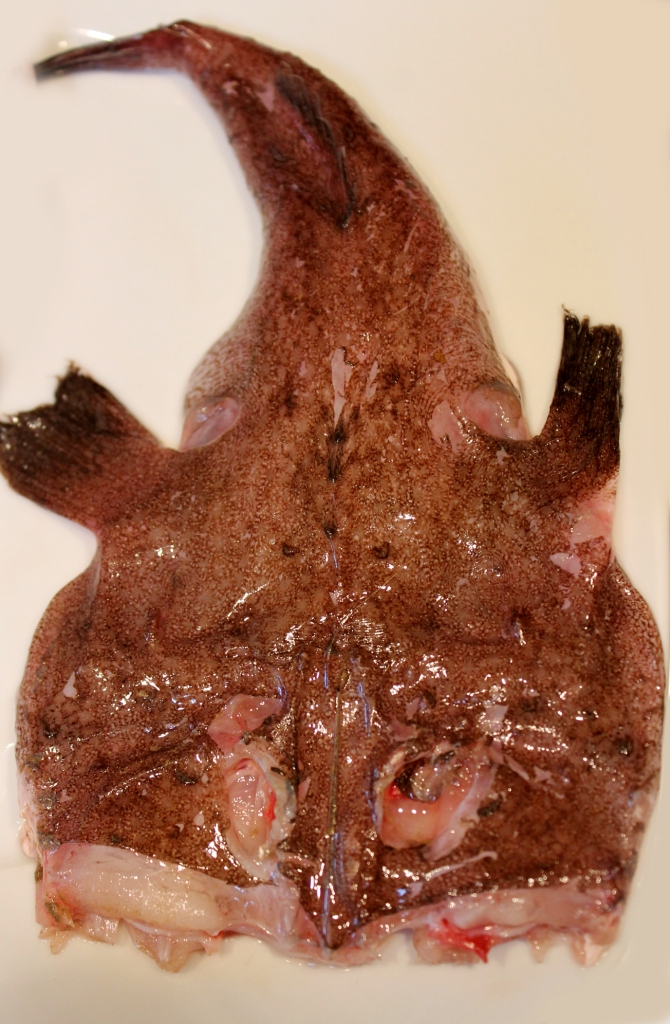
Fresh monkfish flesh is a lovely rosy pink. fishtails The frozen stuff does not taste the same, and Iaia refuses to use it. Try to buy smaller fish as their muscles are less fibrous and far more pleasant to eat. Leave some of the skin on if you don’t find it irksome, as this will act as a natural thickening agent for the sauce and enhance its sweet, fishy goodness.

Get the fishmonger to clean the fish but bring wholefishthem home with the heads on, which you can then scissor off and freeze for the best fish stock ever.  The cuts that go into the stew are the whole tail and the loin, both with the bone in.

Iaia swears by olive oil for just about everything and quite happily pours a good half litre into her pan to fry the potatoes. Once they are done, she siphons off about two-thirds of that oil and saves it for paella on Sundays.

What you need for 6:
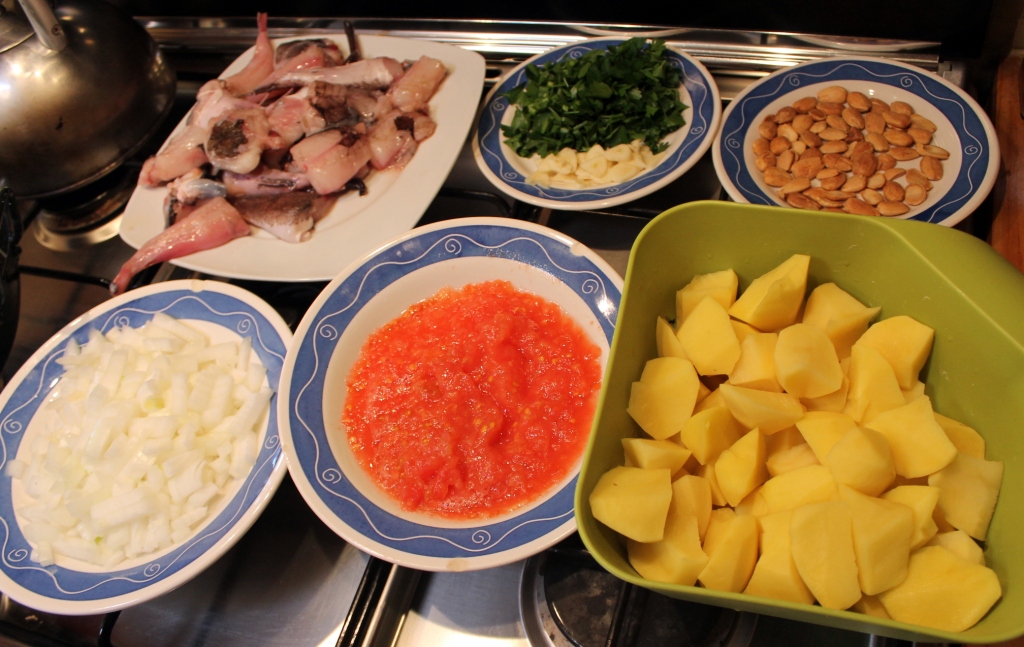
About 850g fresh monkfish piecesingredients
1 kg potatoes
2 pear tomatoes
2 onions
3-5 cloves of garlic
small bunch of parsley
50g toasted almonds
½ litre of oil for frying (Iaia uses olive)
sweet paprika
2 small chillies, whole*
750 ml good fish stock
flour for dusting the fish
salt and pepper to taste
*optional and to be taken out before the whole dish becomes mouth-numbingly hot!

What you do:
Finely dice the onion, slice the garlic, grate the tomato and chop the parsley. All of these ingredients will end up being blended, so don’t be too fussy about perfect knife work.

Cut the potatoes into chunks. Iaia has a special technique – she stops each cut about ¾ of the way through and then breaks the piece off, saying that this will stop the potato chunks from breaking up as they cook. It seems to work!

Heat your olive oil in a deep pan and fry the potatoespotatoes in batches until golden, but not necessarily cooked through. Iaia says she uses so much oil because you have to have enough to cover the potatoes so that there is no chance of them getting crushed and deformed by constant turning and stirring.

Once the potatoes are done, remove two-thirds of the oil and reheat. Season your fish well with salt and pepper and dust with flour before laying it gently into the hot oil to fry.  You don’t need to cook the fish through; 2-3 minutes on each side is enough. When you remove the fish, place it directly into a wide, shallow, flameproof casserole dish, which is where you will cook and present the final dish.  Distribute the fried potatoes evenly over the fish pieces.

In the same oil, lightly fry the sliced garlic and then add tomatomixthe parsley and onion, cooking until the onion is softened. Pour in your grated tomato and fry until you notice the mix thickening slightly as the water from the tomatoes evaporates. If you are using chillies, settle them into the mix now, but take them out before you blend! Just before you take off the heat, pop the teaspoon of sweet paprika in and give it all a quick stir.

Pour the tomato and onion mixture into a blender along with the whole toasted almonds and pulse to a thick paste.  You can also do this with a stick blender, but avoid over-blending; texture is important here.

mixstockPour this picadillo, or flavour base, over the fish and then add just enough stock to cover everything. Check for salt – fish can be tricky and very easy to over-salt, so it’s best to add small amounts throughout the process than try to rectify with a great handful at the end.

Bring to a boil, turn down the heat and simmer gently for 20-30 minutes, adding stock if you see that it gets too dry, aim for a thick gravy-like consistency.

Like most stews, this one is even better the day after it’s cooked, but it will also benefit from standing for half an hour or so before serving.

finisheddish

Serve with: fresh bread and your best bubbly.