Tomato jam

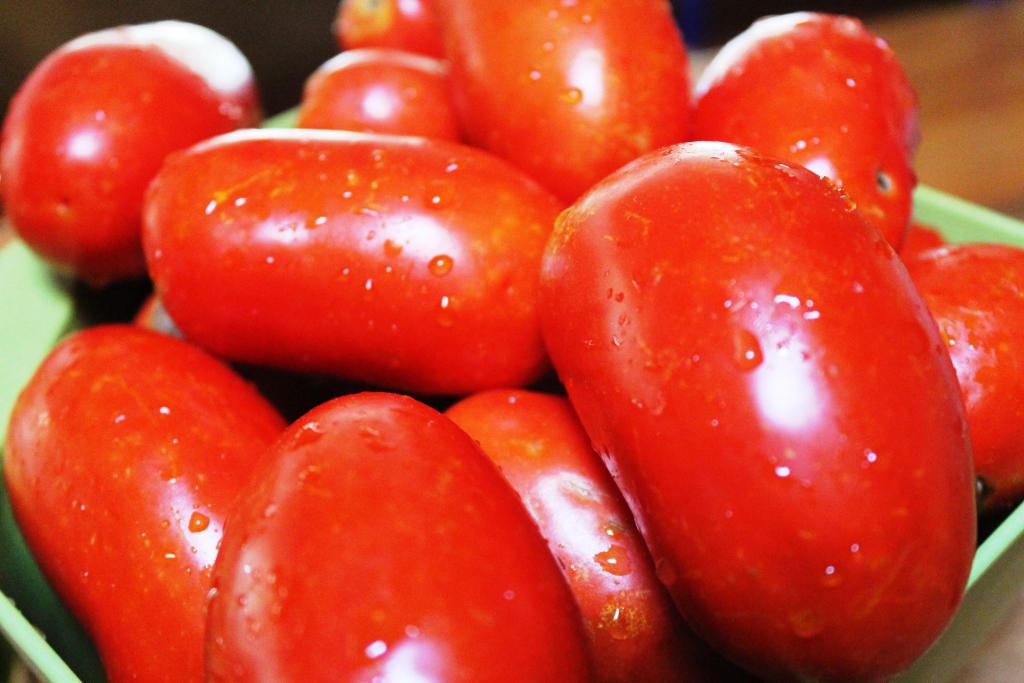
Our tomato plants are giving us a bumper crop this year –raw the gorgeous plummy fruit is coming thick and fast.  What better way to conserve it than in this luscious, sweet jam.  Iaia makes pots every year, but I have pipped her at the post with a small batch for you!
A kilo and a half of toms made almost 5 jam jars full of ruby peeledred yumminess. The cinnamon and lemon are optional. Iaia leaves her cinnamon in and pots shards of it up with the jam, but I hate finding little barky bits on my toast or between my teeth, so I pull it out at the last minute. The lemon gives you a lovely tangy surprise from time to time, and I really recommend including it!lemon zest
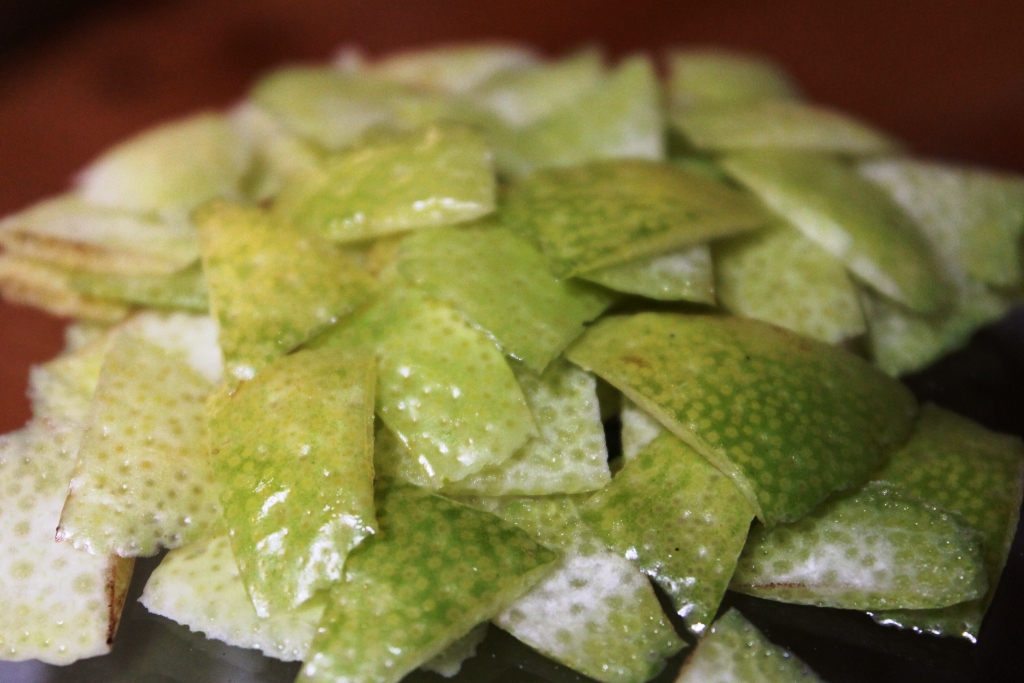
What you need:
At least a couple of kilos of plum tomatoes
A kilo or so of sugar
Zest of one lemoncinnamon
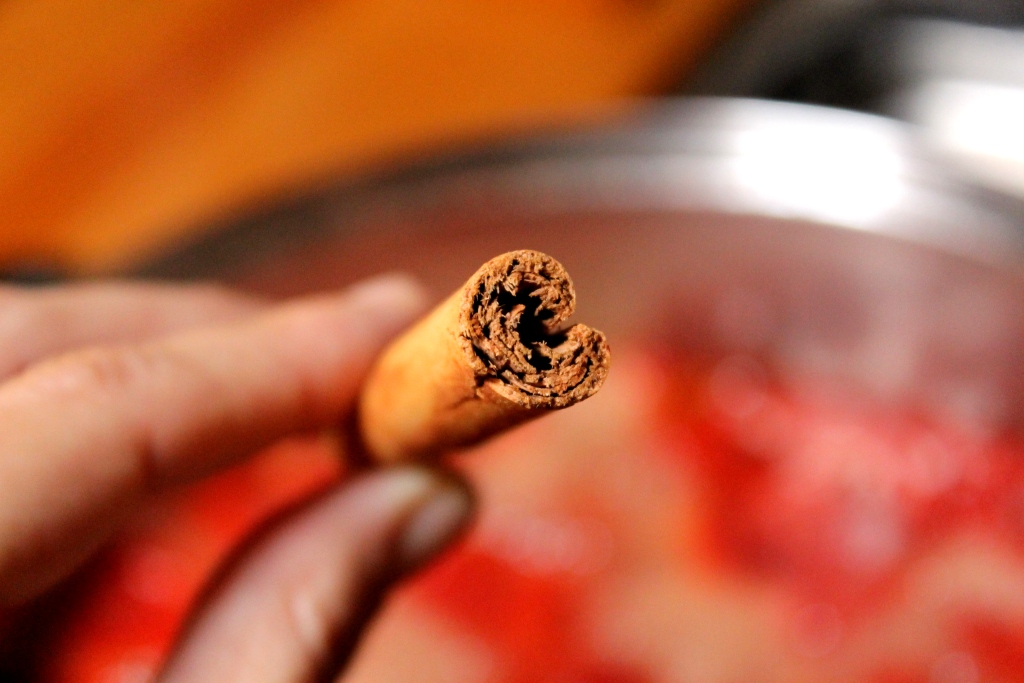
A cinnamon stick

What you do:
Scald and peel all of the tomatoes. Weigh the lot and put them into a large, heavy-based, non-reactive pan. Run a knife IMG_3277through them to break them up a bit before weighing your sugar and adding it to the tomatoes.   Traditionally the recipe calls for equal weights of tomato and sugar, but both Iaia and I find that far too sweet. For this batch, I used a kilo of sugar for 1600g of tomatoes, and the jam set well and is sufficiently sweet without cloying.
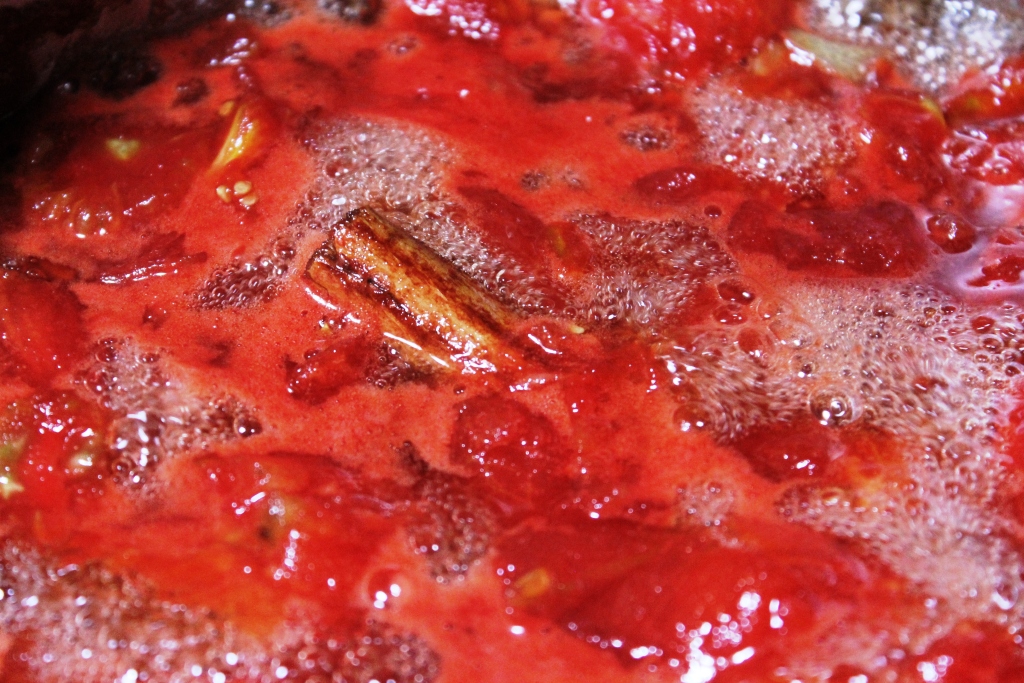
The sugar will immediately start to draw the liquid out of the tomatoes, so you can turn on the heat and stir things gently without fear of boilingburning.  While the tomatoes are heating and the sugar is melting, use a potato peeler to zest the lemon and cut the strips into smallish pieces. Add to the pan along with the cinnamon stick and bring everything to a jolly boil.  I allowed this lot to boil hard until it was reduced by about half, then poured it into sterilised jarsjars.
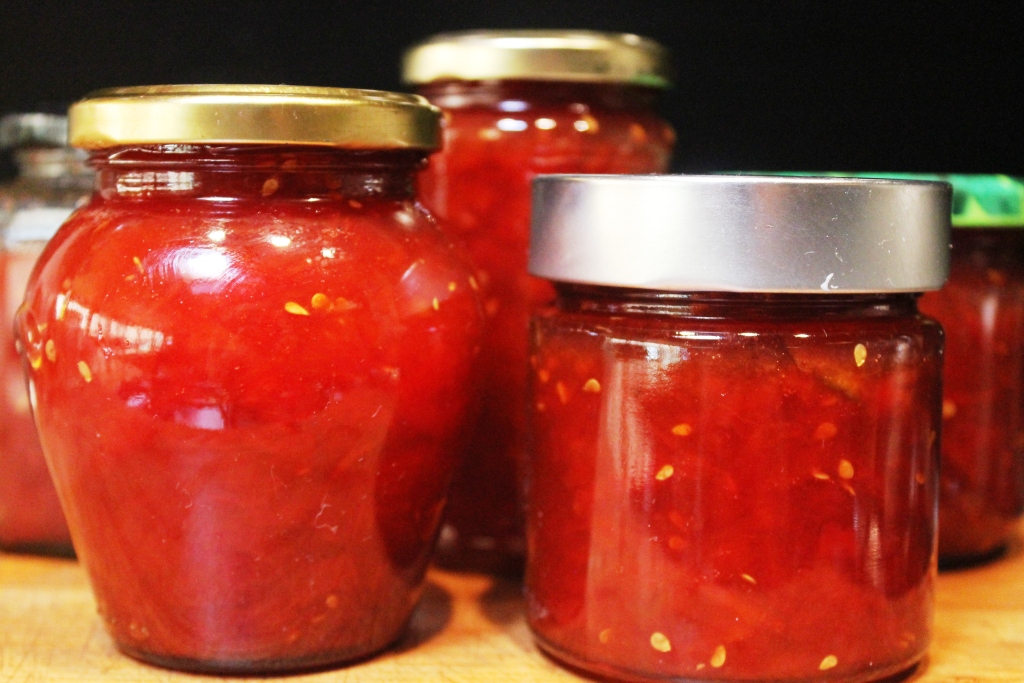
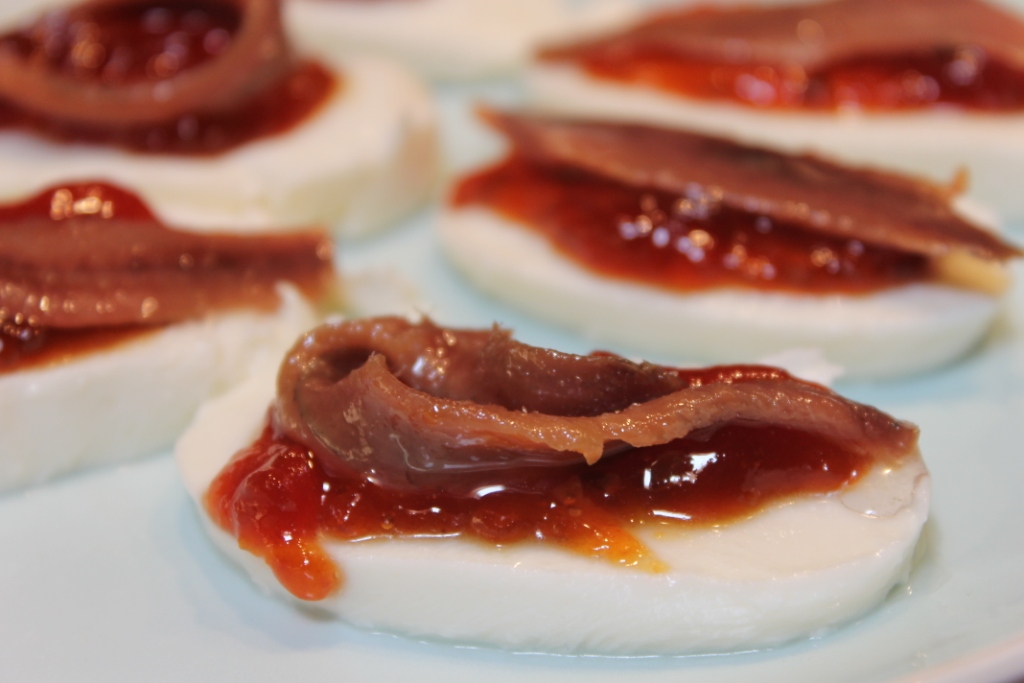
Serve with: breakfast toast and a cuppa or as part of one of our favourite summer canapés: a slice of tangy goat’s cheese with a dollop of jam and an anchovy sat on top.erving suggestion
Fresh tuna and sweetly softened onion

A rare and special treat, this tuna dish is one of my absolute favourites.  Buy the freshest, reddest, most beautiful tuna steaks you can find and eat at room temperature or cooler, ooping the oil off the plate with lovely soft fresh bread.  Mmmm.

What you need:ingedients
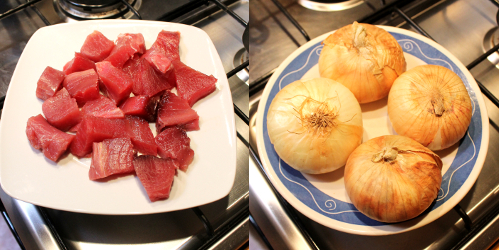
Finger-thick tuna steaks
seasoned flour
3-4 onions
olive oil

What you do:
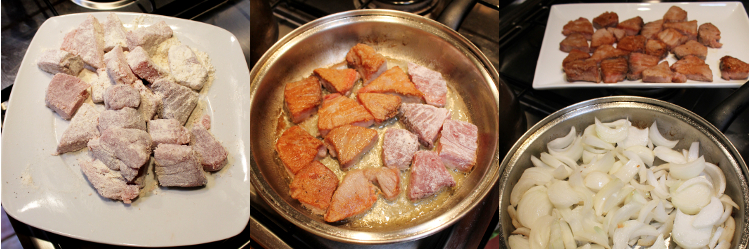
Chop the tuna into large chunks and pop them into a plastic bag with the seasoned flour. Shake things up until the fish is evenly coated. Heat a couple of tablespoons of olive oil in a heavy-bottomed frying pan and brown the floured fish on both sides. Don’t overcook, or it will go dry on you – best to err on the undercooked side.  Take the browned fish out of the pan and set it aside while you deal with the onions. Slice them reasonably finely and fry them gently in the oil you used for the fish (add some if necessary). You don’t want to caramelise them, but you do want them to be cooked through –  Iaia tells me the onion has to be “atabollaeta“, but when I asked her what that meant, she shrugged and said, “you know…done just to the right point”. Hm. Inspection of a dictionary provides “ripe coloured” in reference to fruit, so I suppose in this oniony context, it means soft and gently coloured.  That works for me, anyway!processSo, once the onions are atabollaetes, turn the heat off and send the tuna back into the pan with the onions to mingle for a while. We like this at room temperature, or even cold from the fridge.

IMG_3248Serve with: bread and a chilly white – summer essentials!

Cuttlefish, tomato and “pebrella”

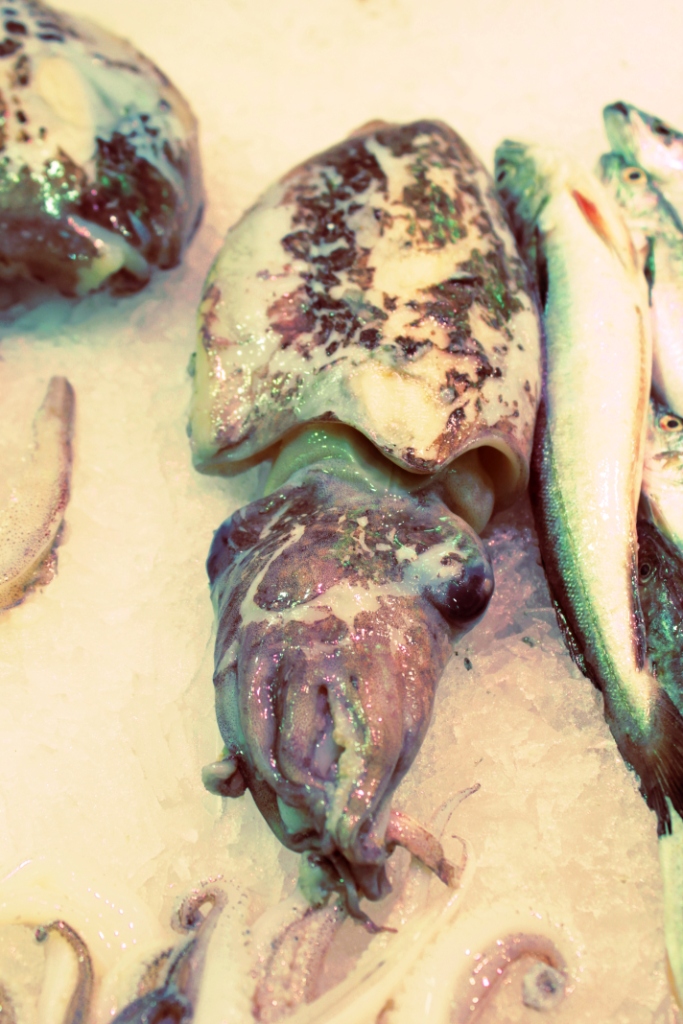
Fresh cuttlefish pre-cleaning

One of Oscar’s favourite mixes for stuffing into a brunch roll or ooping onto great crusty lumps of bread is this cuttlefish, tomato and pebrella mix.  This last is a herb found locally. Its grown-up name is Thymus Piperella, and if you search online, you might find a supplier – it has a really distinctive flavour, and although oregano could be used as an alternative, it hasn’t got the same special kick.
For the fishy part, I dragged Iaia along to the Valencia markets yesterday to help me choose the best critters and then she walked me through the recipe step by step. It’s best to buy fresh (oh-so-ugly) cuttlefish and get your friendly fishmonger to do all the cleaning for you. You will probably still have to cut off the tough wings and pull out a beak or two, but the worst part will have been dealt with by abler hands (than mine, at least). Oh, and stand back when you put the cuttlefish into the pan – it spits!

What you need:ingredients
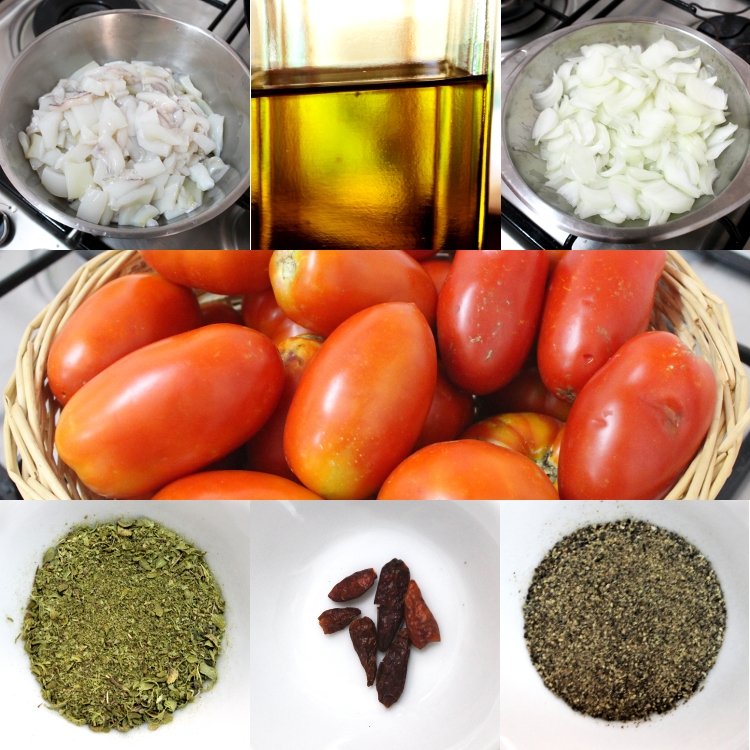
3 medium-sized cuttlefish
a healthy kilo of pear tomatoes
2 onions
olive oil
black pepper
pebrella (thymus piperella)
dried chillies

What you do:
Chop the onions and cuttlefish into smallish pieces. Grate the tomato and put some oil in a deep pan to heat.  The cuttlefish is the first to go in as it takes quite a while to cook.  It spits horribly when it hits the oil, so be really careful!  Let it sizzle gently for about 15 minutes before adding the onion to fry and soften for another 10 minutes or so. processPour in the tomato, add some salt, the herbs and the chillies (Iaia uses a tea strainer to be able to fish them out before it gets too hot) and let everything bubble away quietly for about an hour, or until you see the tomato losing most of its wateriness and becoming thick – like a really great pasta sauce. Remember to test for flavour and remove the chillies when you notice a bit of heat.

Take off the heat and allow it to cool completely before serving. We like to leave it overnight and put spoonfuls into a crusty roll for brunch.

finishedServe with: Cold white wine and lots of bread.

Crema de carabasseta (courgette soup)

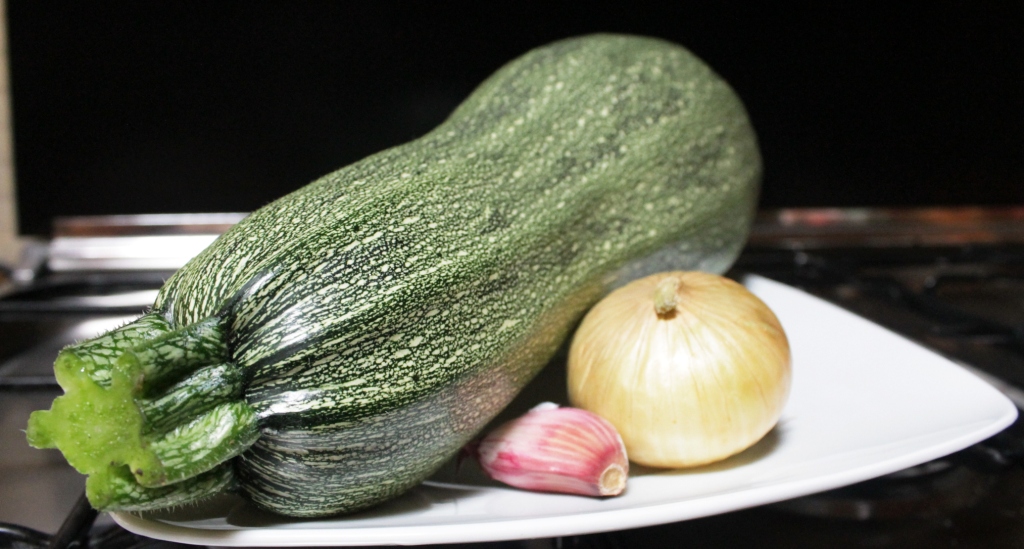
The first time we decided to grow courgettes, we planted about 8 little seedlings, then watched in awe as they took over the whole vegetable patch and started sprouting dozens and dozens of courgettes.  I battered courgette flowers, made courgette soups, baked courgette cakes, grilled courgettes, roasted courgettes, spaghettified courgettes, used courgettes on pizzas and still had leftover fruit to give away to friends and family. It was a veritable courgette-fest! However, one can only really enjoy so much of a good thing, and so we have limited ourselves to 2 plants per year since then.
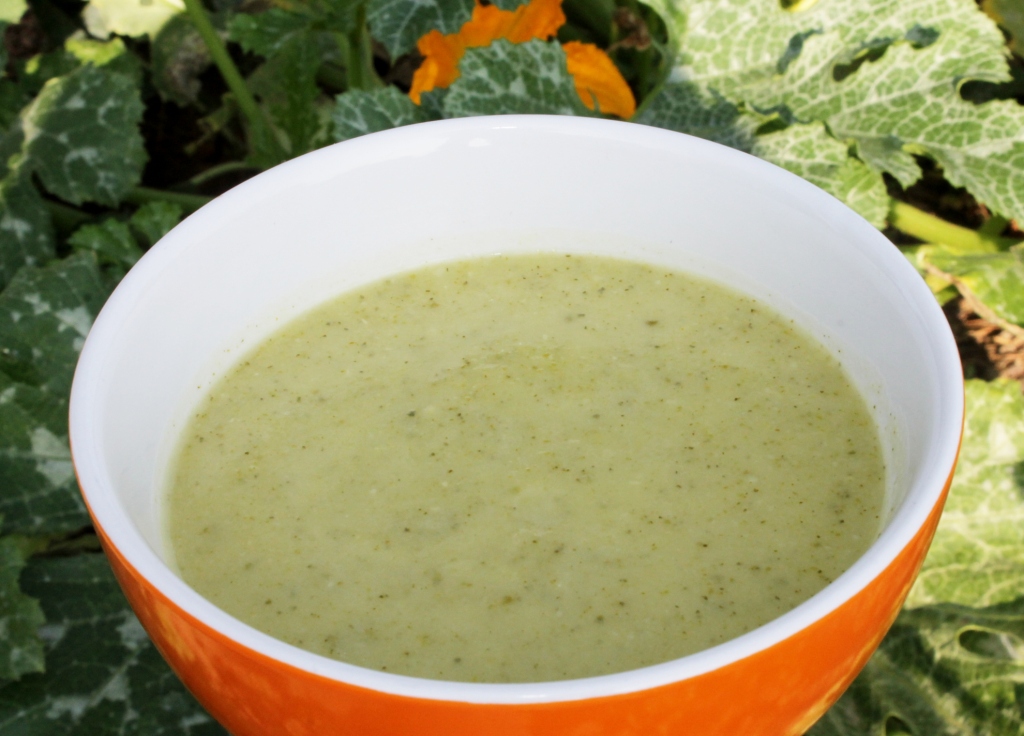
One of Iaia’s favourite courgette dishes – this soup –  is also one of her easiest and most flexible.  I make it here with the basic ingredients but you can add any number of things – almonds, cheese, cream, leek, potato…whatever takes your fancy.  A kilo-and-a-half courgette gives you about 2 litres of soup.  Any monster marrows (above 2kg) should be peeled; their skin becomes pumpkin-like and doesn’t break down in cooking.

What you need:ingedients
1½ kg courgette(s)
1 onion
1-2 cloves of garlic
olive oil
half a glass of water
salt

What you do:
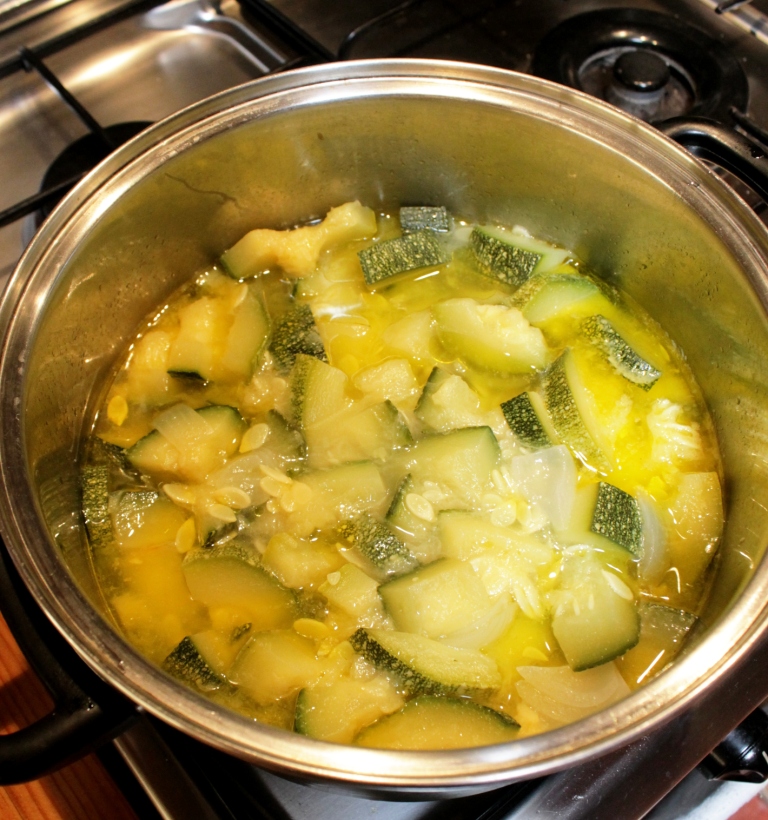
Put a few tablespoons of olive oil into a processheavy-bottomed saucepan and heat gently. Roughly chop the courgette, onion and garlic, and chuck in the pan. Stir everything so it gets a light coating of oil, and add the water to stop anything from catching.  Salt lightly and cover tightly.  Allow to steam/fry/boil for about half an hour, or until the vegetables are all cooked through.  While still hot, blend (I use a stick blender, but a conventional blender will give you a smoother soup).  You can serve this soup hot or cold – it’s lovely either way!

finished

Serve with: bread, cheese, a dollop of cream or sour cream…

Gazpacho andaluz

Summer gluts of tomato mean two things around here – cold Andalusian gazpacho and pots of thick tomato jam.  Today I am making the first of these for our supper.  This is very much a Iaia version rather than a faithful reproduction of the traditional soup – I would love to hear your own recipes, especially if you are reading from down south!
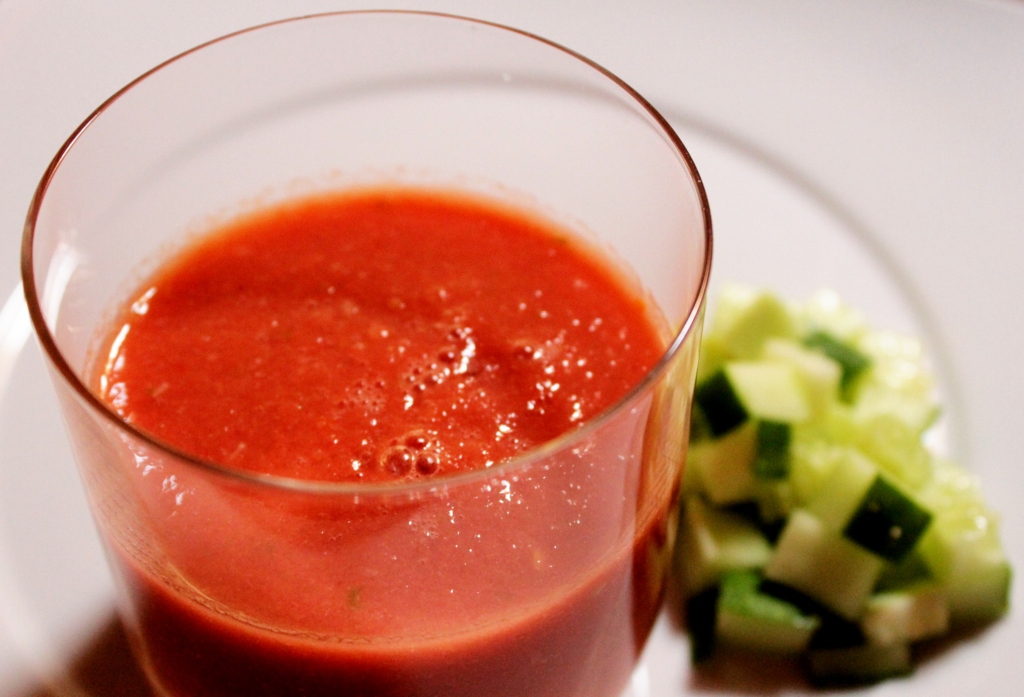
We like to drink our gazpacho from glasses and so add some ice-cold water to get the consistency just right. If, on the other hand, you eat yours from a bowl, it’s usual to add a handful of finely chopped pepper, onion, tomato and/or croutons.  The recipe here gives you about a litre of soup.

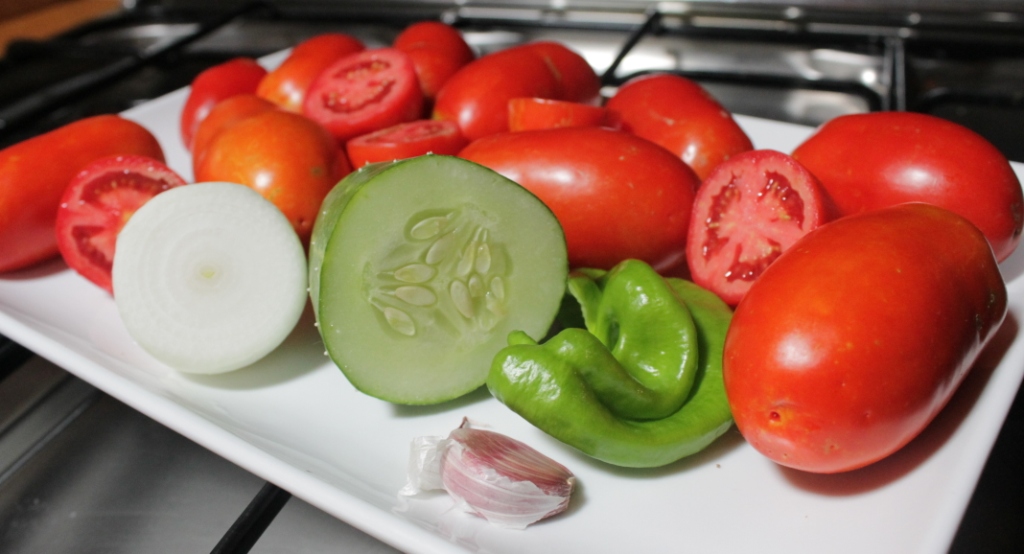
What you need:ingredients
1½ kg ripe plum tomatoes
a chunk of cucumber
a small green or red pepper
half an onion
a clove or two of garlic
olive oil
your favourite vinegar
a pinch of salt
water (optional)

What you do:
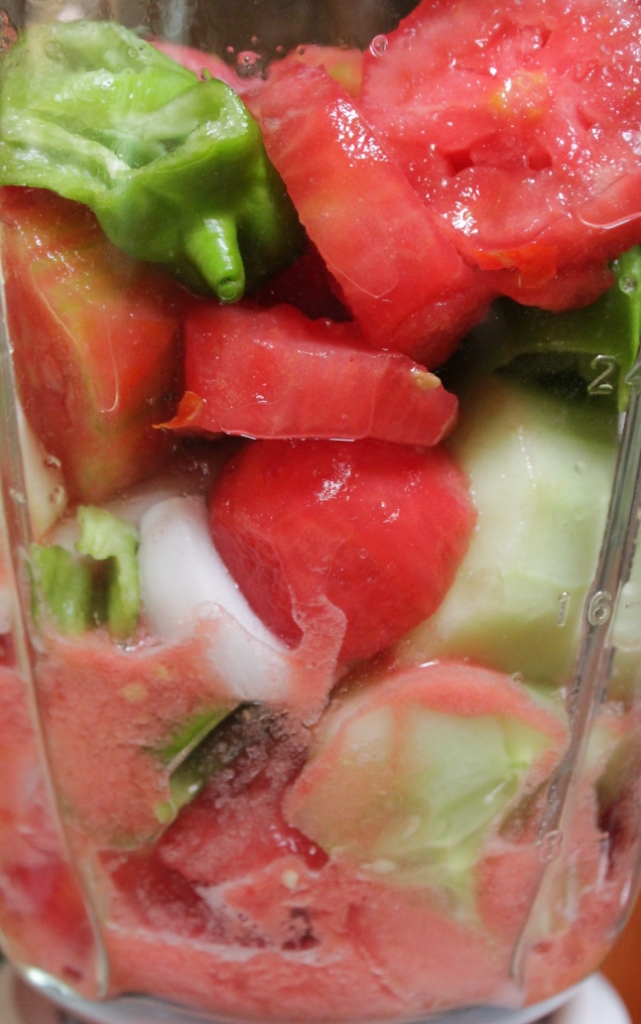
blenderPeel the tomatoes using whichever method you prefer – I use a sharp knife and do away with the whole boiling water palaver. Chop into chunks along with all the other ingredients and toss into a blender. (Note: we also peel the cucumber to save sensitive tummies from indigestion).
Once all the veg is in the blender, pour in a happy glug of olive oil, a generous splash of vinegar and a perfect pinch of salt (all of which you can tweak to taste as you blend), and press the “on” button.  Add water if it seems too thick, more salt if it seems too bland and more oil or vinegar if you think you need either – this is not rocket science.
Refrigerate until ready to serve. Easy? Delicious!

finished

Serve with: croutons, bits of chopped ingredients, and a summer table full of nibbles…

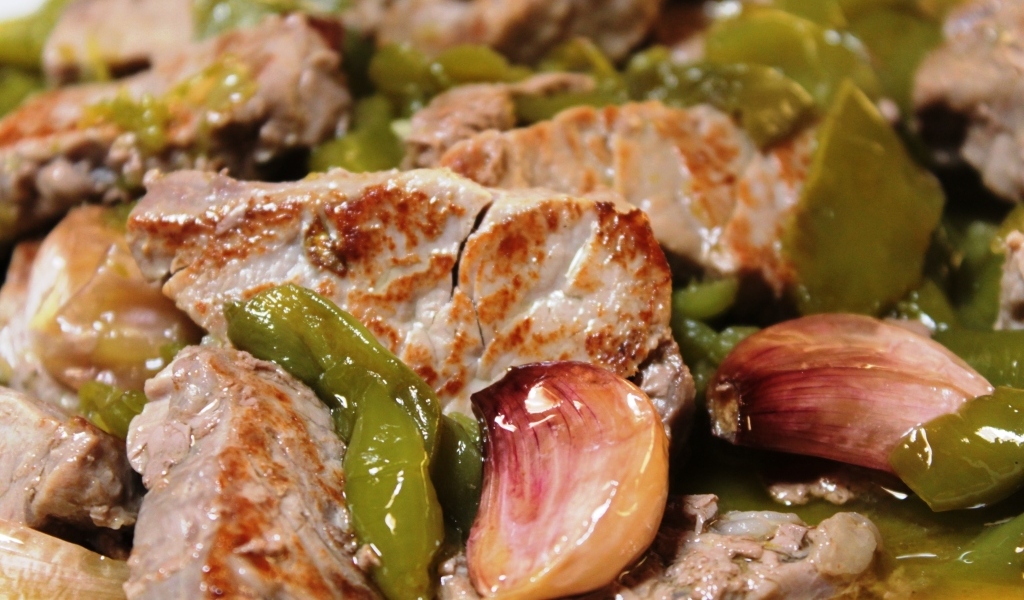
Green peppers and tender beef fillet

We grow these “Italian” peppers in the garden. They are longer, more interestingly shaped, and less fleshy than bell peppers. When cooked slowly like this, their flavour leeches into the oil and wraps itself around the meat most aromatically.  At first glance, it seems as though you are using a ridiculous amount of peppers, but they cook down to almost nothing, so fear not!

What you need:ingredients
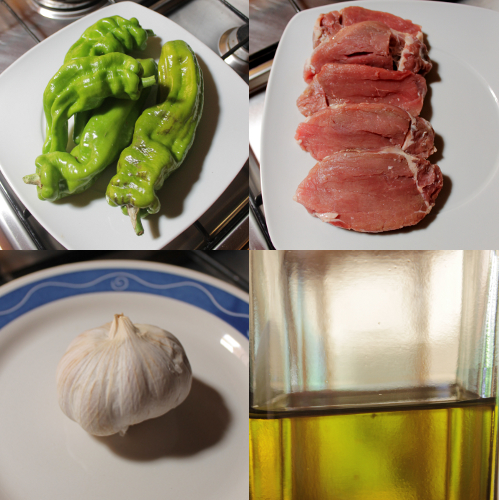
7 or 8 Italian (bullhorn) peppers
4 or 5 slices of beef fillet
a whole head of garlic
olive oil

What you do:
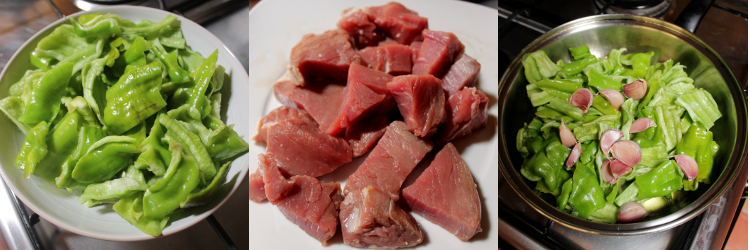
Remove the seeds from the peppers and tear the fruit up into pieces.  Cut the fillet slices into comfortable bites and separate the garlic cloves without peeling them.

processHeat a generous amount of olive oil in a large pan and tip the peppers, the whole garlic cloves, and a good pinch of salt in. Stir everything around to coat with oil and fry gently for about 5 minutes, making sure nothing burns. Cover, turn the heat down and let things steam and fry for another 10-15 minutes.
Once the peppers and garlic are softened right down, remove them from the pan and set aside while you deal with the meat, which needs to be browned and cooked to your taste in the same pan.  As it is such a tender cut, there really isn’t much need to cook it for very long. High heat will give you a lovely colour and flavour in just a few minutes.
Put the peppers and garlic back in with the meat and mix everything up.  You can either continue to cook gently on low heat for a few minutes more if you are not sure about the “done-ness” of the meat, or turn the hob off and let everything sit until it cools to room temperature.

finished

Serve with: a tomato salad, some bread and a red

Llescat de pimentons i bacallà (peppers and salt cod)

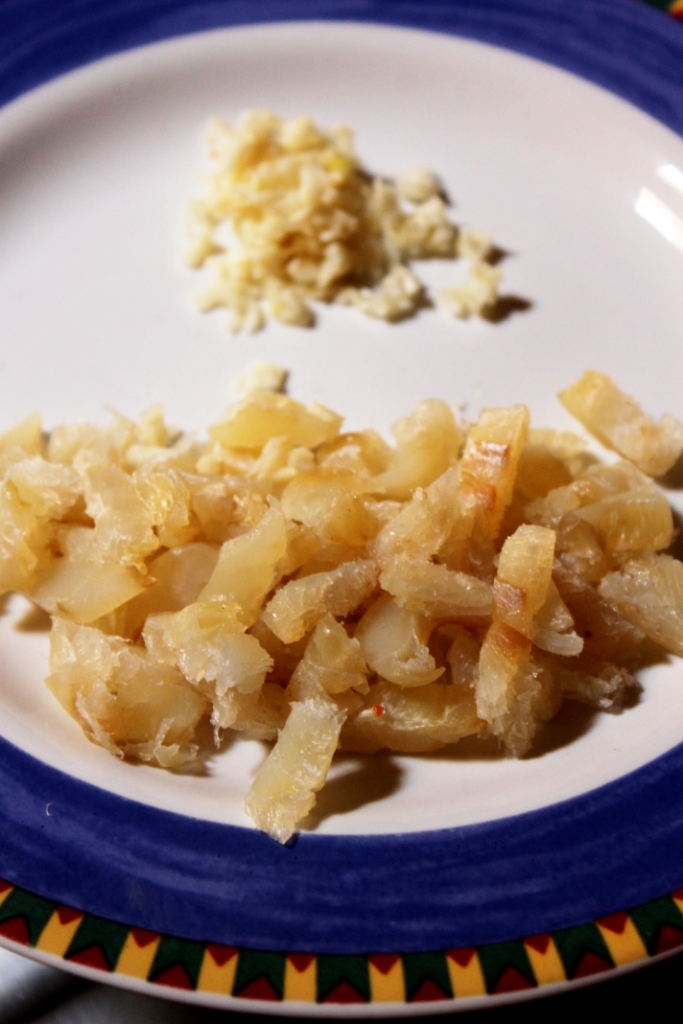
Summer gardens are full of bell peppers, and there are plenty of dishes to make the most of the glut. This one has semi-dried (or pre-soaked) salt cod in it. If you can’t find any, try it with a tin of tuna instead and add a small pinch of salt (which you absolutely mustn’t add with the cod!)

What you need:ingredients
1 large red pepper
1 large green pepper
a few strips of salt cod
(or a tin of tuna in oil)
a clove or two of garlic
olive oil

What you do:
Get your oven screaming hot (230-240ºC), lightly coat your peppers with olive oil and roast them for about 20 minutes or so until they blister, turning every now and then so they cook evenly.  Take them out and let them cool a bit before peeling the skin off and tearing them into strips.IMG_2848

Chop your garlic up very finely and slice the cod into small pieces. Mix into the peppers. IMG_2849

Pour a generous glug of excellent olive oil over everything and set aside for an hour to infuse before dolloping spoonfuls onto pretty plates for a lovely starter.

FINISHED

Serve with: crusty bread and cold beverages of any colour

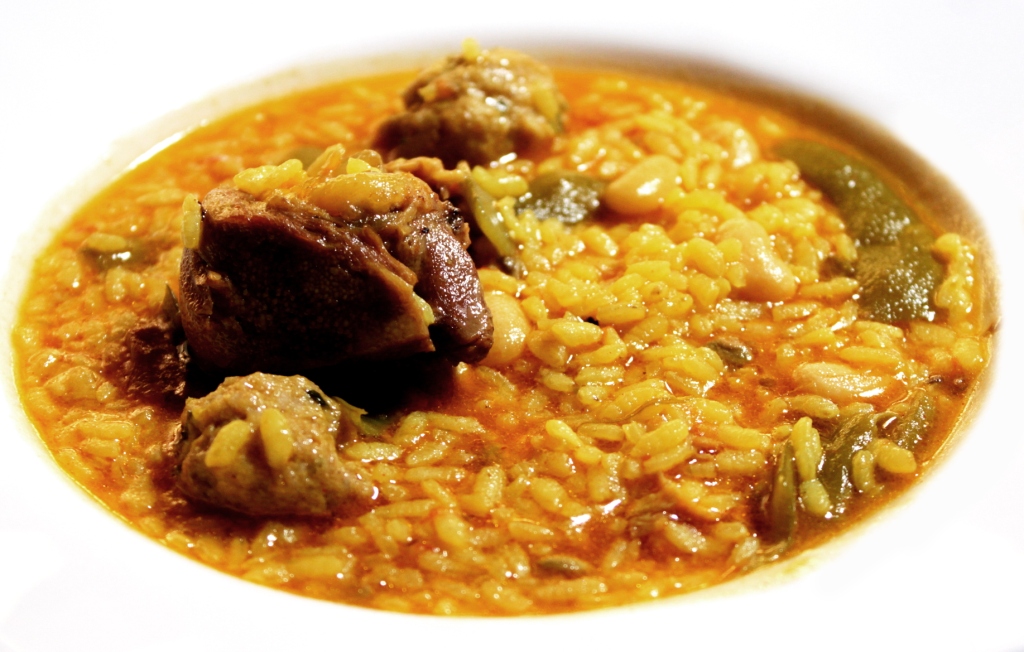
Arros caldos d’estiu (summer rice)

This recipe is a lot like the typical Valencia paella, but instead of being cooked in a caldero until the liquid is completely evaporated, it is cooked in a saucepan until soupy.  It follows the same principles as Winter Rice, but uses different ingredients which are in season in summer.  Iaia always uses organic, free-range chicken, which needs to be boiled for about 20 minutes on its own before you put the beans in. If you are using a normal chook, you can put the veg in when you add the water.
The last time I was in Australia, I tried to find a butcher who would saw some chicken up into paella-sized pieces for me, but it was impossible (mutterings about cross-contamination), so I made it with 2 whole drumsticks and cut the wings into pieces myself.
The quantities here are for four people, calculating about 60 grams of rice per head. Adjust this and the amount of water as necessary, remembering that you want a soupy finish, not risotto-like creaminess.

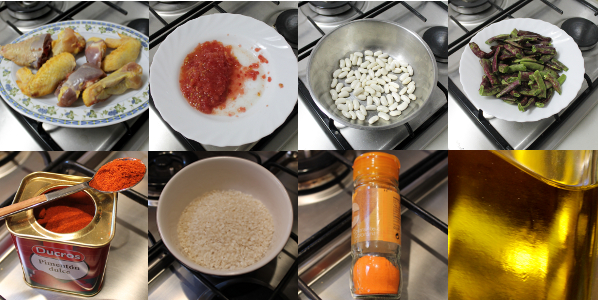
What you need:ingredients
600 g chicken
250g flat green beans*
100g fresh navy beans *
1 prune tomato, grated
125ml olive oil
250g short-grain rice
1 tsp sweet paprika
saffron or food colouring**
1200ml water

*Iaia has some things to say about these ingredients:
The variegated flat beans are tastier and go green upon cooking, so if you can find them, all the better. Otherwise, plain flat green beans will have to do. French runner beans don’t taste nearly as good but will also have to do if there really isn’t anything else.
If you use bottled navy beans, add them about 10 minutes before the end of the cooking time, or they will collapse into a floury mess.
**See my note in Winter Rice about food colouring

What you do:
Heat the oil in a heavy-based saucepan that is big enough to hold everything and then chuck the seasoned chicken pieces in to brown. Once they are looking golden, add the grated tomato and fry for 3-4 minutes.  Just before you add the water, put the sweet paprika in and stir it around for just a few seconds, making sure it doesn’t burn and go bitter, then pour in all of the water and bring it to a boil. If you are using organic chicken, cover and let simmer for 20 minutes before adding the beans, otherwise put them in straight away, add the saffron/food colouring and another pinch of salt, cover and simmer everything for an hour or so. saucepans
As with Winter Rice, you can switch everything off at this point and leave it ready to be heated up when you want to eat it. About half an hour before you do want to serve it, bring your stock to a boil, check the seasoning and add the rice. Don’t overcook or evaporate all the liquid!
Ladle into bowls and then leave it to cool while you have a pre-lunch drink and some nibbles, it will taste better, and you won’t burn your tongue.IMG_2739

Serve with: your favourite red

Llescat – another summer table dish to share

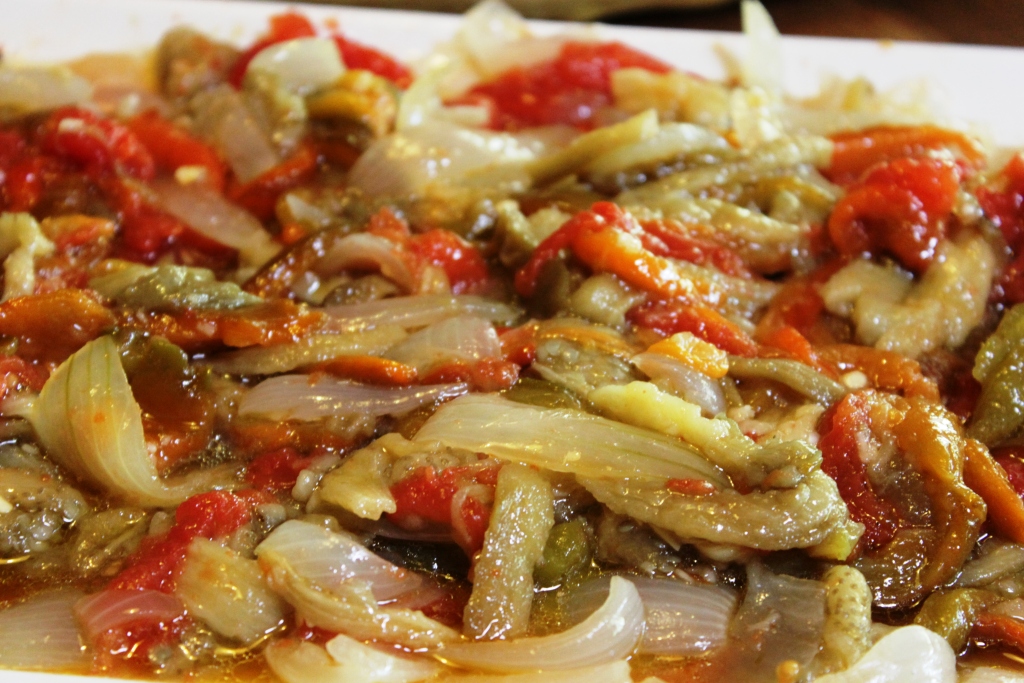
Llescat, which means “in pieces” is also known as esgarraet, which means “torn” and that is because you literally tear oven-roasted aubergine, peppers, onion and tomato into pieces to make this fruity, garlicky summer supper dish.  It’s may seem a bit fiddly to get the skin off everything, but as long as your oven is hot enough, it shouldn’t be a problem. Careful when you open up the peppers – the steam inside burns!

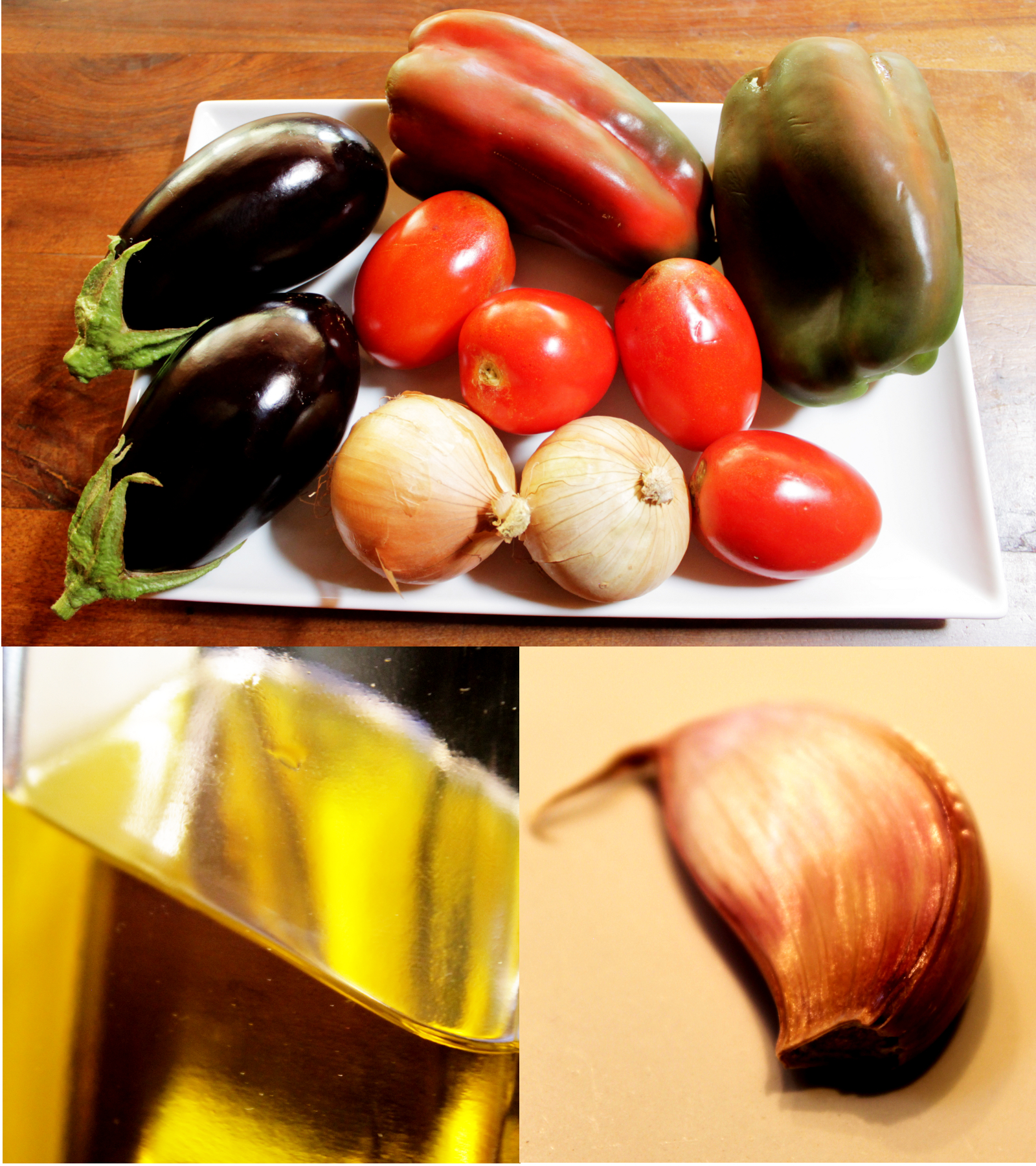
What you need:ingredientsall
2 aubergines (eggplants)
2 greenish-red peppers
2 onions
4 prune tomatoes
1 or 2 cloves of garlic
best quality, fruity olive oil
salt

What you do:
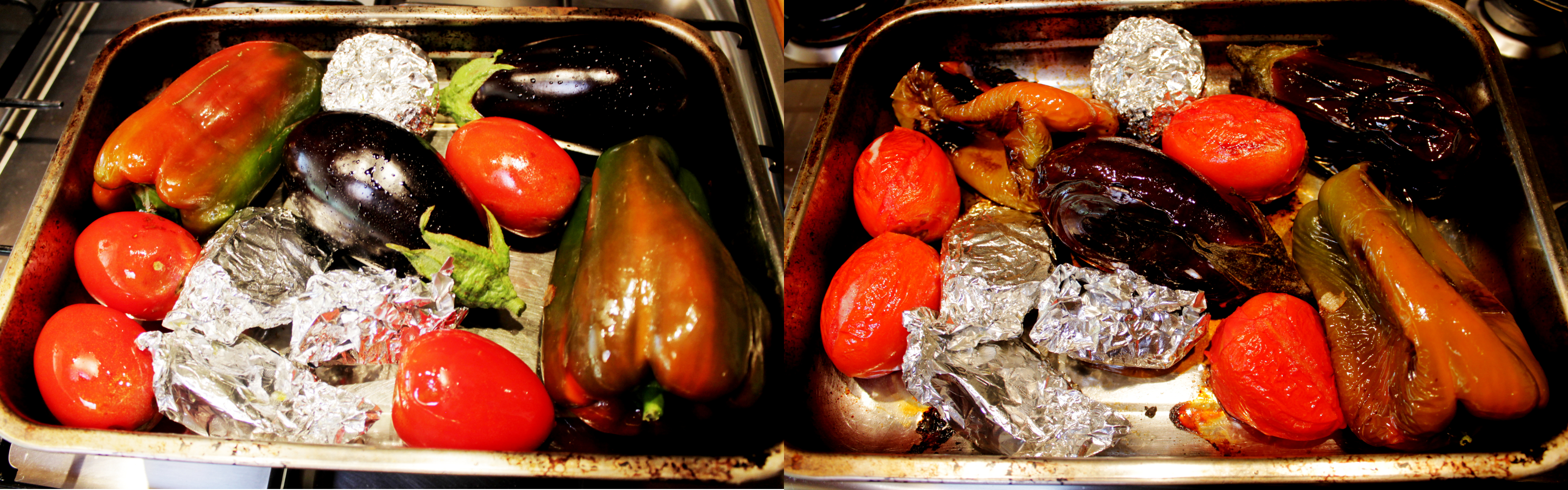
First of all, put your oven at about 220ºC and give it time to heat up. While it is doing so, wash and dry the aubergines, peppers and tomatoes. Peel the onions and chop them in half. They take longer to cook than the other veggies, so you will also need to wrap the halves in a bit of foil. That way, the steam they create is trapped and helps them cook through in time. Put the other veggies in a baking tray and use your hands to rub olive oil over them until they glisten. Add the foil-wrapped onions to the tray and pop them into the hot oven for about 45 minutes, turning everything over about halfway through. Charring is good for flavour, but you don’t want anything to burn dry.oven before afterOnce cooked, place the aubergines, peppers and tomatoes into a deep bowl and cover with plastic film to cool for a bit. Leave the onions as they are to keep steaming in their foil.  After about a quarter of an hour, gingerly pull the veg out and peel the skin off – it should come away very easily. Drain any excess liquid off, and then use your fingers to tear the flesh into thin strips. Unwrap your onions and tear them up as well.  whole and llescatSeason with salt and very finely chopped (or crushed) raw garlic to taste. Pour a generous dressing of olive oil over everything and then mix gently with tongs or a fork.  It’s best to let the flavours soak into each other, so we usually prepare this the day before it’s to be eaten. It’s fine to store it in the fridge, but worth taking it out and letting it come to room temperature before forking it onto thick chunks of crusty baguette and devouring.finishedServe with: a summer spread of ensaladilla, beer-battered aubergines, sardines…and heaps of excellent bread